## Introduction The U.S. Centers for Disease Control and Prevention (CDC) announced it will deploy $107 million in emergency funding to support immediate Ebola response efforts in the Democratic Republic of the Congo (DRC) and Uganda, as part of coordinated crisis management to curb the spread of confirmed Ebola cases across affected health zones. The announcement comes amid rising DRC Ebola and Uganda Ebola case counts, requiring urgent international intervention to contain the outbreak before the situation worsens.
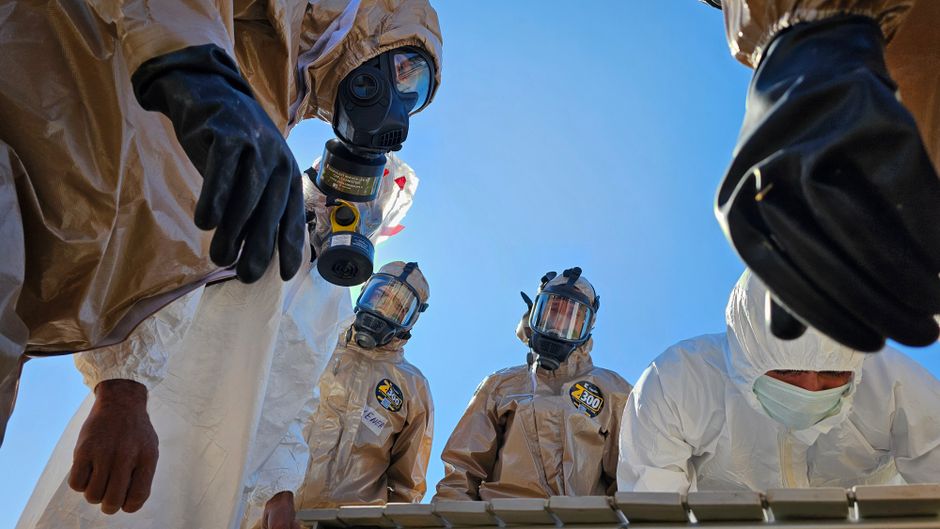
## Details of CDC’s Emergency Funding Allocation for Ebola Response The $107 million emergency funding is part of CDC’s comprehensive Ebola response plan for DRC and Uganda, and adds to roughly $910 million previously pledged to combat the outbreak, less than 10% of which has been received from donors to date. Dr. Satish K. Pillai, incident manager for CDC’s Ebola response, confirmed the funds will be directed to provide immediate support for field teams, purchase personal protective equipment, strengthen disease surveillance systems in affected health zones, and facilitate safe transportation of deceased individuals. The core goal of the funding is to contain DRC Ebola and Uganda Ebola cases and reduce transmission risk to neighboring regions, even as estimates confirm global risk remains low. Current data shows the outbreak is the third largest on record, requiring a coordinated crisis management approach to prevent further escalation.
## Current Epidemiological Situation of Ebola in DRC and Uganda The current Ebola outbreak began roughly one month ago along the western border of the DRC and the eastern border of Uganda, caused by the rare Bundibugyo Ebola strain, a zoonotic species transmitted from animals to humans. As of June 15, local health authorities have recorded 837 confirmed Ebola cases in the DRC and 19 confirmed cases in Uganda, with a total of 198 deaths across both countries. African health officials warn the outbreak could become the worst on record if current infection rates continue, requiring at least one year to contain at the current pace. The largest recorded Ebola outbreak occurred between 2014 and 2016 in West Africa and eastern DRC, infecting more than 28,000 people and killing 11,000. Estimates indicate the Bundibugyo strain has a fatality rate of 30% to 50% in recent outbreaks in the two countries, further increasing the severity of the situation.
## On-Ground Implementation Mechanisms of CDC Response in Affected Countries CDC has deployed 23 field staff to support disease investigations in the DRC and Uganda, in addition to 125 personnel working in field and administrative roles to support response efforts. CDC teams hold twice-weekly calls with U.S. FIFA World Cup host cities to ensure domestic preparedness for any potential cases, even as global risk remains low. CDC activities are focused on three core pillars: containing the Ebola outbreak in the DRC, containing the Ebola outbreak in Uganda, and ensuring domestic readiness to respond to any unlikely domestic cases. Teams work closely with local health authorities to train health workers on early diagnosis and isolation of confirmed cases, expand surveillance to additional health zones with rising case counts, and provide immediate support to treatment centers. The emergency funding allows for the expansion of these activities to include additional field teams and critical medical supplies.
## Challenges Facing Ebola Containment Efforts Ebola containment efforts in the DRC and Uganda face a range of complex challenges, most notably shortages of personal protective equipment and vehicles for safe body transportation, which hinder isolation and investigation operations. Widespread mistrust between local populations and health teams also leads to resistance to public health measures such as vaccination and home isolation of suspected cases. Additionally, travel restrictions imposed by the U.S. and 21 other countries on travelers from the DRC and Uganda have been criticized by experts for hindering the movement of health personnel and medical supplies, delaying outbreak response. Underfunding is another major barrier, as less than 10% of the pledged $910 million has been received to date, limiting the ability of health teams to expand field operations. It is worth noting that the disease is transmitted via direct contact with blood, bodily fluids, or contaminated surfaces, unlike airborne diseases such as COVID-19 and measles, making containment more complex in densely populated areas.
## Recommendations for Stakeholders and the Public to Prevent Outbreak Worsening Experts recommend local health authorities in the DRC and Uganda accelerate Ebola vaccination campaigns and strengthen disease surveillance systems across all health zones to detect confirmed cases in early stages. International donors are urged to speed up the disbursement of pledged Ebola response funding to avoid worsening the outbreak due to resource shortages. Travelers are advised to avoid non-essential travel to affected areas in the DRC and Uganda, and follow personal hygiene guidelines such as frequent handwashing and avoiding direct contact with sick individuals. CDC continues to update travel guidance and preparedness resources for local health authorities and stakeholders to ensure readiness for any future developments in the Ebola outbreak. Compliance with official public health guidelines remains the most effective way to reduce the spread of DRC Ebola and Uganda Ebola cases, and protect both local populations and travelers.



![[Pending Translation] كأس العالم 2026: الولايات المتحدة تضمن حضورها في الدور الثاني بعد فوزها على أستراليا 2-صفر](https://s.france24.com/media/display/e98fad16-66c8-11f1-96db-005056bfb2b6/w:1024/p:16x9/2026-06-13T013936Z-709115587-UP1EM6D04LZCZ-RTRMADP-3-SOCCER-WORLDCUP-USA-PRY.jpg)