## Introduction
## What are the latest developments regarding women activists in Tunisia? Since the beginning of 2026, Tunisia has seen a series of judicial summonses directed at civil society activists, predominantly women engaged in human rights and public freedoms. The Tunisian Association of Democratic Women (ATFD) has warned that these actions are part of a "systematic crackdown" on civic space, noting that many summonses relate to women’s participation in political movements, public statements, or social media posts. For instance, activists such as Ghufran Al-Farji, Director of the Gender Program at the Tunisian association "Taqat," have been summoned for hearings under charges like "spreading false news" and "insulting state institutions," according to ATFD data. These cases have raised concerns among international organizations like Amnesty International, which described the situation as "a serious threat to fundamental freedoms."
## Why are women activists being targeted? The stated reasons behind the summonses vary but are often linked to legal or political actions. From the authorities' perspective, these measures aim to protect public order or enforce the law, especially following unlicensed protests or criticism directed at the government. Authorities also blame some activists for violating the law by spreading information deemed harmful to public institutions or national security. Meanwhile, political analysts argue that these actions are part of a broader government strategy to control civic space, particularly after international criticism over the decline in freedoms. Additionally, many activists work on sensitive issues like women’s rights or social justice, making them easier targets in an increasingly polarized political climate.
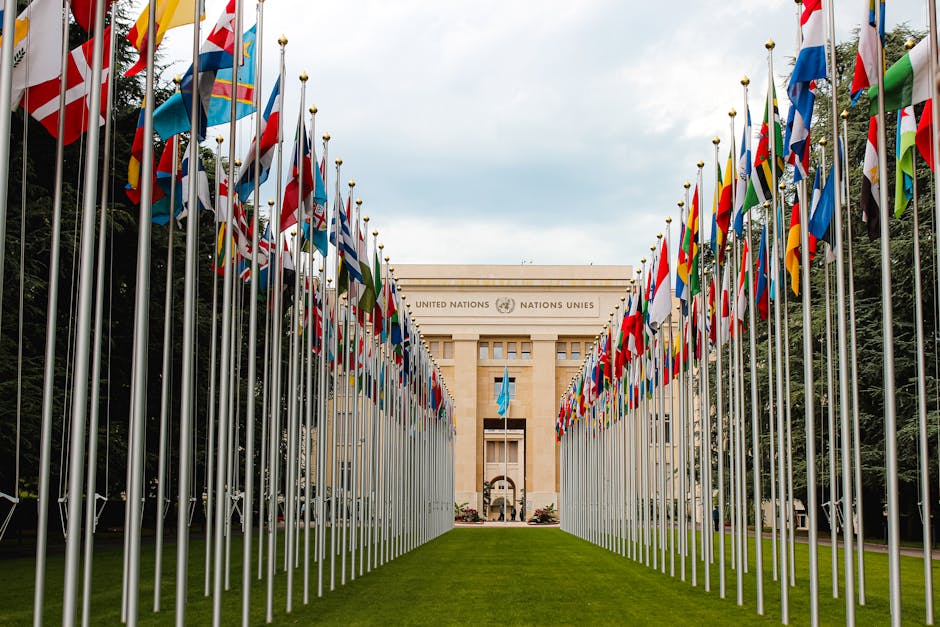
## How are international and local organizations responding? International reactions to the situation in Tunisia have been strong. Organizations such as Amnesty International and Human Rights Watch have labeled the crackdown as a "serious backsliding in civil liberties," urging Tunisian authorities to immediately halt these practices and ensure the safety of rights defenders. The United Nations has also called on Tunisian authorities to uphold their international obligations to protect fundamental freedoms, emphasizing that any restriction on civic space negatively impacts democracy.
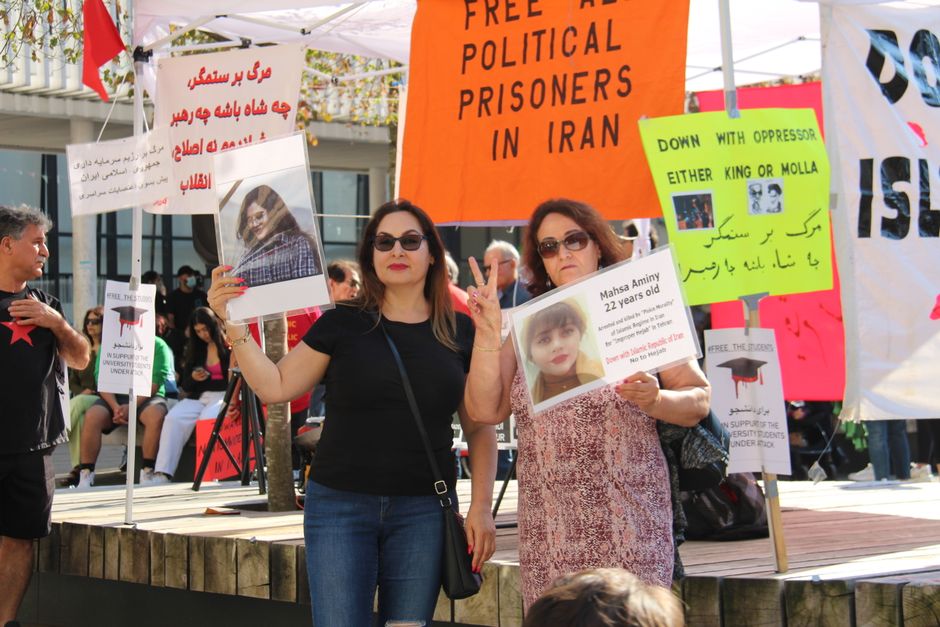
Locally, Tunisian activists have formed urgent alliances to defend their rights, such as the "Protect Women Defenders" campaign, which aims to document violations and file international lawsuits against Tunisian authorities. Some activists have also organized peaceful protests outside government institutions, demanding the release of detained activists and the cancellation of summonses.
## What is the expected role of the Tunisian government? The official stance of the Tunisian government remains firm that the measures taken are lawful and serve the public interest. Officials in the Ministry of Interior have stated that the summonses of activists are part of routine criminal investigations, with no intention of restricting freedoms. They have also emphasized that Tunisia complies with all international laws and that criticism of these measures constitutes interference in internal affairs.
However, observers argue that the government must take practical steps to protect activists, such as establishing legal protection mechanisms or enforcing laws against violence targeting rights defenders. Some have also called for a review of national laws, such as the Penal Code and the Public Gatherings Law, which are often misused to restrict freedoms.
## The future of civil liberties in Tunisia The future appears uncertain for Tunisian women activists, given the continued judicial summonses and the declining international support for human rights in the region. On one hand, activists face significant challenges in an increasingly hostile environment. On the other, they have become more organized and capable of defending their rights. International pressure on the Tunisian government is expected to continue, but the critical question remains: Will activists be able to maintain their roles in the public sphere, or will some be forced to withdraw due to fear or harassment?



![[Pending Translation] كأس العالم 2026: الولايات المتحدة تضمن حضورها في الدور الثاني بعد فوزها على أستراليا 2-صفر](https://s.france24.com/media/display/e98fad16-66c8-11f1-96db-005056bfb2b6/w:1024/p:16x9/2026-06-13T013936Z-709115587-UP1EM6D04LZCZ-RTRMADP-3-SOCCER-WORLDCUP-USA-PRY.jpg)