## Introduction The oceans are no longer just vast bodies of saltwater; they have become global repositories for pollutants generated by human activity. On June 15, 2026, an Italian‑led consortium unveiled findings that antibiotic‑resistance genes are present in over 140 marine sites, ranging from the Mediterranean to the Arctic. What makes this discovery alarming is that the genes appear even in remote waters far from any population centers, raising fresh concerns about the sea’s ability to ferry health risks across the planet. This article explains how the genes travel, which regions are most affected, the potential public‑health implications, and the worldwide monitoring actions now underway.
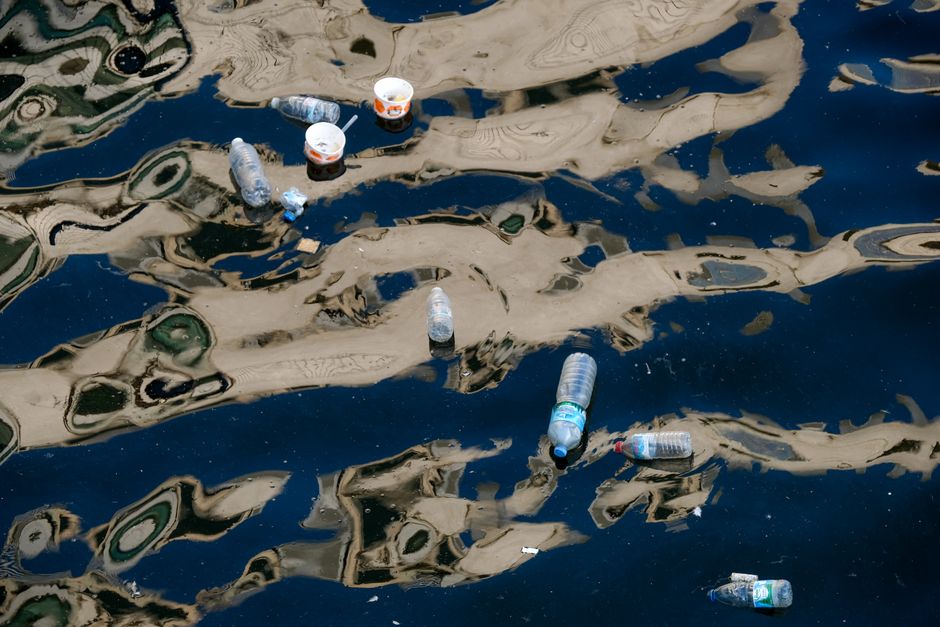
## Gene Dispersal Through Ocean Currents Current science shows that oceanic currents act as the main highways for spreading resistance genes across vast distances. When wastewater containing antibiotics enters rivers, the genetic material is carried downstream into the sea, where it joins major flows such as the Gulf Stream or the North Atlantic Drift. Over three years, the SeA Care project collected more than 4,000 water samples and detected resistance genes at depths of up to 2,000 meters, confirming that currents can mix pollutants with open‑water ecosystems. Micro‑plastics also serve as vectors; microbes attach to these tiny particles, hitching a ride far beyond their point of origin. This mechanism operates in virtually every ocean, making it difficult to isolate any region from the spread.
## Hotspots: Crowded Coasts and Busy Shipping Lanes The study revealed that gene concentrations are highest near densely populated coastlines and heavily trafficked maritime routes. Major ports—such as Rotterdam, Shanghai, and Los Angeles—release untreated or partially treated sewage, providing a steady source of antibiotics and resistant bacteria. Industrial activities on shorelines add PFAS (the so‑called “forever chemicals”), which further stabilize genetic material in the marine environment. Even the polar regions, though sparsely inhabited, showed detectable gene levels because global currents transport pollutants from international shipping lanes. This uneven distribution demonstrates that resistance genes are not confined to traditional “pollution zones” but can reach any point on the ocean surface given the right hydrodynamic conditions.
## Public‑Health and Food‑Chain Implications When resistance genes infiltrate marine food webs, fish, shellfish, and other seafood become silent carriers that can transfer those genes to human consumers. Eating contaminated seafood may contribute to the rise of hard‑to‑treat bacterial infections, complicating routine medical care. The Italian study also identified traces of SARS‑CoV‑2 genetic material in open‑water samples, highlighting the potential for multiple genetic contaminants to accumulate simultaneously. Such a “multi‑contaminant” scenario serves as an early‑warning signal: if gene levels continue to climb, we could see disruptions in marine biodiversity that reverberate through fisheries, economies, and ultimately, global food security.
## Global Monitoring and Response Strategies SeA Care exemplifies an international effort to build a real‑time ocean‑health surveillance network. Regular sampling at strategically chosen sites feeds into a central database that tracks both resistance‑gene loads and accompanying pollutants. Based on these data, experts recommend measures such as stricter wastewater treatment standards for ports, reduced prophylactic antibiotic use in agriculture, and research into novel removal technologies (e.g., nanofiltration, engineered bacteria that degrade genetic material). Integrating marine‑monitoring data with public‑health early‑warning systems would enable rapid risk assessment and coordinated response across borders.



![[Pending Translation] كأس العالم 2026: الولايات المتحدة تضمن حضورها في الدور الثاني بعد فوزها على أستراليا 2-صفر](https://s.france24.com/media/display/e98fad16-66c8-11f1-96db-005056bfb2b6/w:1024/p:16x9/2026-06-13T013936Z-709115587-UP1EM6D04LZCZ-RTRMADP-3-SOCCER-WORLDCUP-USA-PRY.jpg)