## Introduction
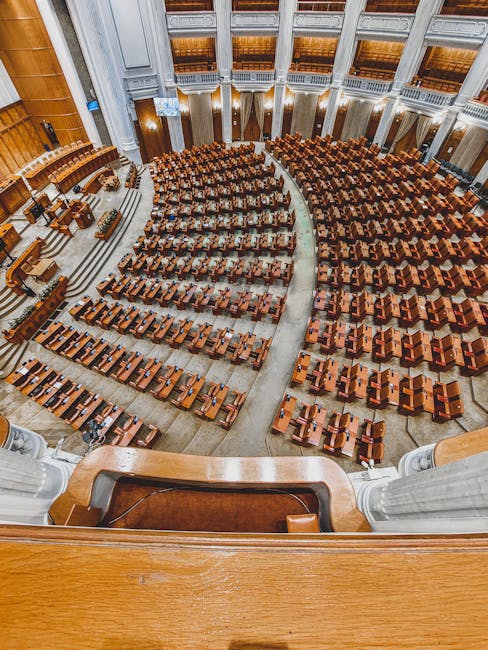
## Why the constitutional amendment gained parliamentary traction Zimbabwe’s lower house approved the amendment with a two-thirds majority (216 votes in favor, 42 against), exceeding the required threshold. The ruling party justified the change as a means to ensure long-term stability amid economic and political challenges. Key provisions include scrapping direct presidential elections—previously held since 1990—in favor of parliamentary selection. Presidential and parliamentary terms were extended to seven years, with elections delayed until 2030. The move directly benefits President Mnangagwa, whose second term was set to end in 2028. Proponents argue continuity is essential for economic recovery, while critics decry the circumvention of term limits enshrined in the 2013 constitution.
## Local and international reactions to the amendments Domestic backlash has been fierce. Opposition parties and civil society groups condemn the amendment as unconstitutional, citing violations of the 2013 constitution, which capped presidential terms at two and required a referendum for any extension. The Constitutional Court’s dismissal of legal challenges further fueled concerns. Internationally, the move risks isolating Zimbabwe, as Western governments and human rights organizations increasingly scrutinize democratic backsliding. The African Union and regional blocs may face pressure to respond, given Zimbabwe’s history of disputed elections and authoritarian drift.
## Political and economic implications of the amendments Politically, the amendments consolidate ZANU-PF’s grip on power, replacing electoral accountability with legislative control. Economically, the government touts stability as a catalyst for growth, but skeptics highlight persistent issues: hyperinflation, corruption, and underinvestment. Mnangagwa’s presidency has failed to deliver on promises of reform, with elections in 2018 and 2023 marred by allegations of fraud. The amendments could deepen public distrust, particularly among youth and urban voters who increasingly demand accountability.
## Zimbabwe’s democratic future post-amendments The amendments mark a turning point for Zimbabwe’s democracy. Opposition leaders vow to resist through legal and grassroots mobilization, while civil society groups plan protests and international advocacy. However, the government’s control over state institutions—including courts and security forces—limits avenues for dissent. The international community’s response will be critical. Sanctions, reduced aid, or diplomatic isolation could pressure Harare to reverse course, but Mnangagwa’s regime may prioritize survival over reform, risking further isolation.



![[Pending Translation] كأس العالم 2026: الولايات المتحدة تضمن حضورها في الدور الثاني بعد فوزها على أستراليا 2-صفر](https://s.france24.com/media/display/e98fad16-66c8-11f1-96db-005056bfb2b6/w:1024/p:16x9/2026-06-13T013936Z-709115587-UP1EM6D04LZCZ-RTRMADP-3-SOCCER-WORLDCUP-USA-PRY.jpg)