
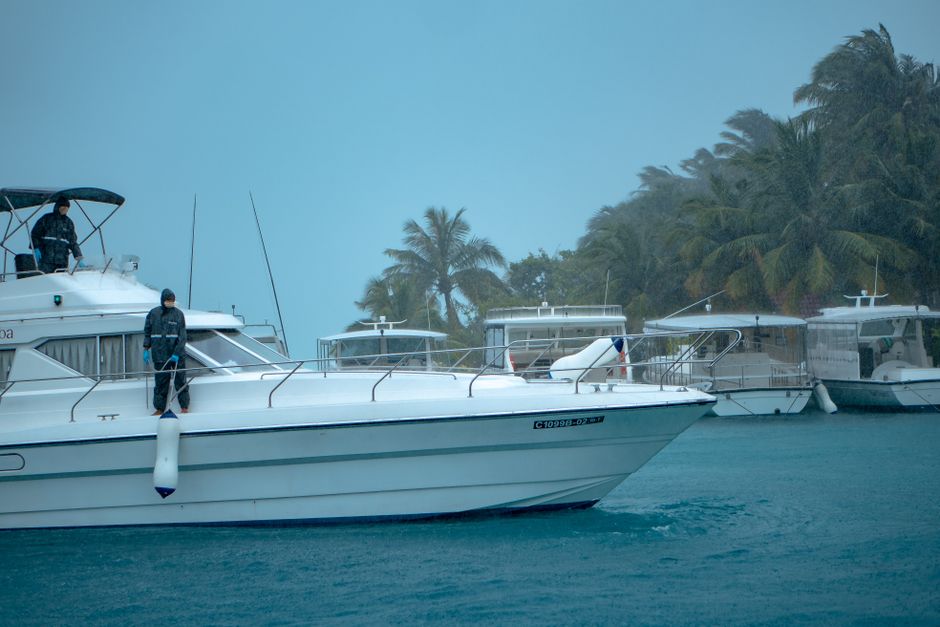
## Introduction Unexpected encounters with military vessels demand a swift, well‑planned response, especially when accompanied by severe weather such as a thunderstorm. In 2026, several high‑profile incidents highlighted the need for private yacht owners to know exactly how to react when a Russian warship appears on the horizon. This guide provides clear, actionable steps for recognizing signals, executing safe maneuvers, establishing radio contact, managing storm‑related risks, and documenting the event for authorities. By following these procedures, crews can stay calm, protect lives, and avoid escalating a potentially dangerous situation.
## Recognizing Warship Signals Identifying visual and acoustic cues from a warship is the first line of defense. Most navies use a distinctive five‑blast horn pattern to signal that a nearby vessel has been spotted. In addition, warships may illuminate searchlights, fire warning flares, or display specific navigation lights that differ from civilian vessels. Captains should keep a vigilant eye on any unusual activity, especially near naval bases or high‑traffic sea lanes. When such signals appear, use binoculars to confirm details such as the ship’s flag, hull number, or unique markings. Accurate identification helps you provide precise information to maritime authorities later on.
## Immediate Actions When a Warship Is Spotted Once a warship is identified, the priority is to demonstrate a deliberate, non‑aggressive course change. Turn the yacht a few degrees to port or starboard—just enough to show you have altered your heading—while maintaining a steady speed to preserve control. Avoid sudden, sharp turns that could be misinterpreted as hostile. If a thunderstorm is raging, adjust the course to stay clear of the warship’s projected path while also accounting for wind and wave direction. Keep navigation lights on for safety, but dim any bright, non‑essential lights that might distract the warship’s crew. Communicate these actions clearly to your crew so everyone follows the same plan.
## Radio Communication and Warning Signals Marine VHF radio is essential for establishing contact with nearby vessels. Switch to channel 16 (the international distress frequency) and transmit a concise message, for example: “Private yacht sighting warship, request instructions to avoid escalation.” If the warship responds, comply immediately with any instructions—whether to change course, stop, or hold position. If there is no response, consider using visual warning signals such as flashing a handheld flare or a signal lamp, maintaining a safe distance at all times. Log every transmission, noting the time, frequency, and content, as these records are often required by maritime authorities after the incident.
## Managing Risks During a Severe Storm Thunderstorms reduce visibility and increase wave height, making navigation more challenging. Before departure, always check the latest marine weather forecast and update it regularly. When a storm hits, reduce speed to lessen the impact of large swells and secure all deck equipment to prevent loss or injury. If wave heights become hazardous, consider heading to deeper water where warship traffic may be lighter, or return to the nearest safe harbor. Ensure you have sufficient fuel and power reserves to execute necessary maneuvers throughout the emergency.
## Documentation and Follow‑Up After the Encounter After the warship has moved away, thorough documentation is critical. Record the exact time, GPS coordinates, the type of signals received, and the maneuvers you performed. If possible, capture photos or video footage from a safe position; these visual records can be invaluable for investigations. Preserve all VHF recordings and written logs, then report the incident to the national maritime security agency as soon as you reach a port. Providing a detailed, factual account helps protect you legally and contributes to improving global maritime safety protocols.



![[Pending Translation] كأس العالم 2026: الولايات المتحدة تضمن حضورها في الدور الثاني بعد فوزها على أستراليا 2-صفر](https://s.france24.com/media/display/e98fad16-66c8-11f1-96db-005056bfb2b6/w:1024/p:16x9/2026-06-13T013936Z-709115587-UP1EM6D04LZCZ-RTRMADP-3-SOCCER-WORLDCUP-USA-PRY.jpg)