
## Introduction The evolving role of U.S. Vice President JD Vance in the Iran deal reflects a significant shift in American foreign policy, particularly under the shadow of Donald Trump’s presidency. Following weeks of hesitation and internal criticism, Vance has emerged as the public face defending the Iran agreement amid a politically charged environment marked by deep partisan divisions. This comparison examines the extent of Trump’s influence on Vance’s trajectory and how Vance navigates diplomatic and political pressures as Washington seeks to achieve strategic objectives amid strong opposition within the Republican Party.
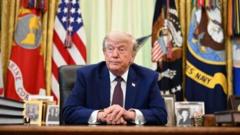
## Vance’s Role in the Iran Deal: Between Diplomatic Defense and Political Pressures Vice President JD Vance currently holds the pivotal position of defending the U.S.-Iran memorandum of understanding, a role that has placed him under intense scrutiny. Despite his repeated defense of the agreement, contradictory statements regarding its implementation—such as his ambiguous stance on attending a potential signing ceremony in Switzerland—have exposed the fragility of his diplomatic position. Observers note that this hesitation underscores Vance’s lack of strategic autonomy, particularly as Trump continues to dominate the political spotlight.
## Internal Republican Divisions: Limited Support and Strong Opposition Vance’s administration faces profound divisions within the Republican Party. On one side, anti-interventionist factions—who opposed the conflict from the outset—clash with hardline Iran hawks who accuse the White House of capitulating to Tehran. Despite Vance’s efforts to defend the deal, these divisions deepen his isolation, especially as key administration figures such as Secretary of State Marco Rubio, a potential 2028 Republican nominee, have deliberately avoided the spotlight. Meanwhile, Vance remains the sole public face advocating for the agreement, despite limited institutional support.
## The Trump-Vance Dynamic: Shadow or Tacit Support? The relationship between Vance and former President Trump is fraught with complexity. Trump has repeatedly hinted at shifting blame to Vance should the deal collapse, a pattern consistent with his tendency to avoid personal accountability. By suggesting he might "blame the vice-president," Trump reinforces a dynamic where Vance is left exposed to political fallout without commensurate backing. Yet Vance persists in defending the deal, signaling an attempt to carve out political independence despite operating in Trump’s long shadow.
## Diplomatic Opportunities and Future Challenges Despite the challenges, diplomatic opportunities remain for Vance if negotiations successfully curb Iran’s nuclear program. Should a final peace agreement be reached, Vance could be positioned as a key architect of a historic achievement for the U.S. and its regional allies. However, these prospects hinge on the uncertain outcome of negotiations, which involve complex technical hurdles requiring broad international consensus. Vance’s political future thus rests on his ability to navigate these challenges—both diplomatically and within the treacherous landscape of domestic politics.


![[Pending Translation] كأس العالم 2026: الولايات المتحدة تضمن حضورها في الدور الثاني بعد فوزها على أستراليا 2-صفر](https://s.france24.com/media/display/e98fad16-66c8-11f1-96db-005056bfb2b6/w:1024/p:16x9/2026-06-13T013936Z-709115587-UP1EM6D04LZCZ-RTRMADP-3-SOCCER-WORLDCUP-USA-PRY.jpg)