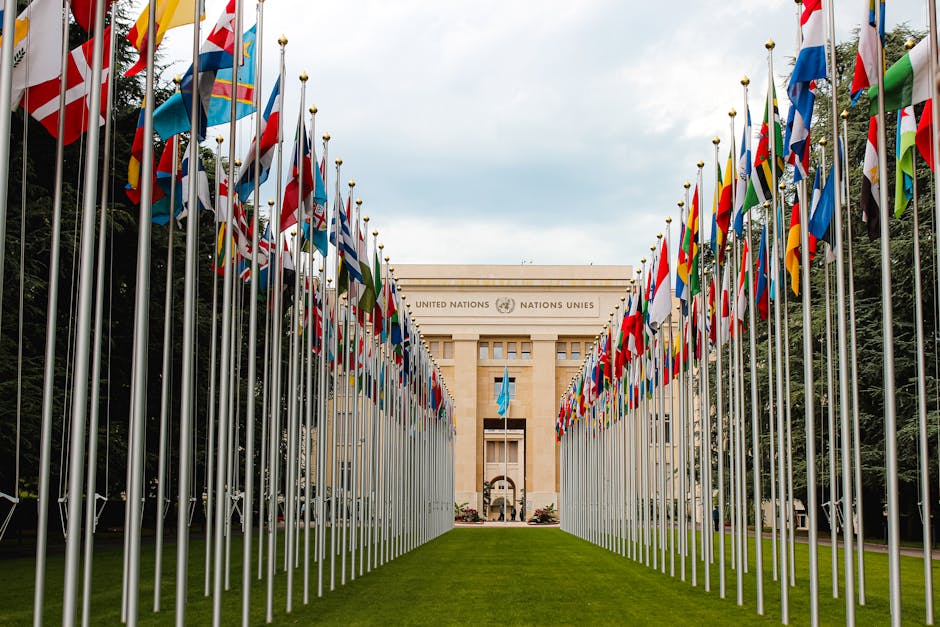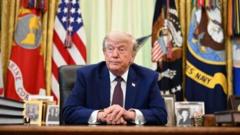
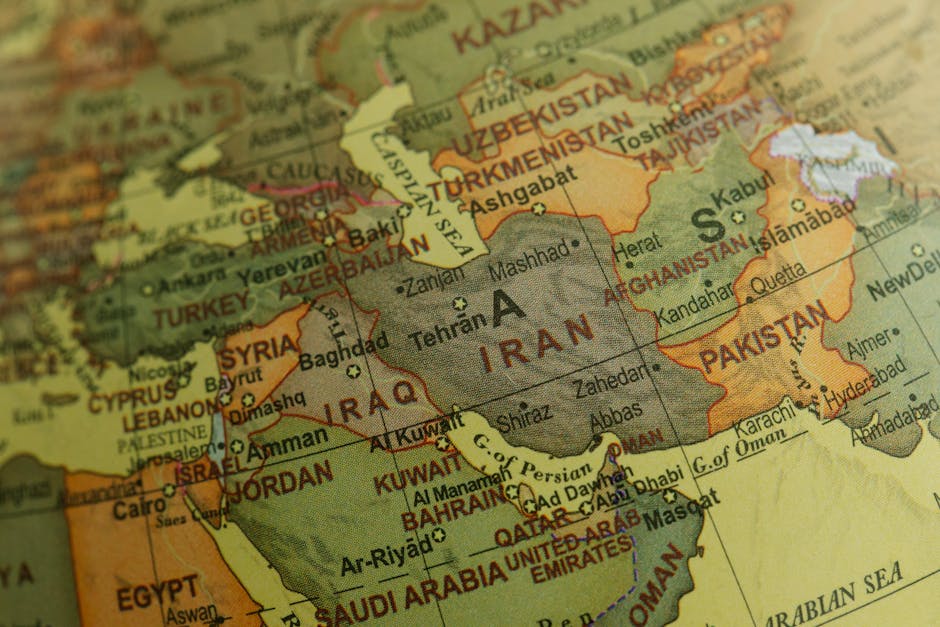
## Background of Swiss Peace Talks and Iran Nuclear MoU The scheduled US Iran talks in the Swiss village of Obbürgen represented a core step in the Trump administration’s efforts to make progress on the Iranian nuclear file, following the signing of an Iran nuclear MoU in previous stages that opened a 60-day window to negotiate a permanent nuclear agreement. The talks focused on securing sanctions relief for Tehran in exchange for restricting its nuclear activities, in addition to reaching arrangements that ensure safe oil transit through the Strait of Hormuz, a strategic waterway through which nearly 20% of global oil supplies pass. Vice President JD Vance was set to lead the US Iran negotiations delegation, tasked by Trump with leading US Iran talks to achieve a diplomatic breakthrough before the deadline specified in the memorandum of understanding. The White House described the talks as a historic opportunity to reduce regional tensions and avoid potential military escalation, particularly after years of confrontation between Washington and Tehran.
## Military Escalation Between Israel and Hezbollah and Its Impact on US Iran Talks Cancellation The deadliest clashes between Israel and Hezbollah since the ceasefire announcement in South Lebanon erupted in the hours leading up to the cancellation of US Iran talks, as Hezbollah launched rocket and drone strikes on Israeli forces near the city of Nabatieh in southern Lebanon, killing four Israeli soldiers. Israel responded with a wave of airstrikes on Nabatieh and surrounding towns in the Bekaa valley, leaving at least 18 people dead and 33 wounded according to Lebanon’s ministry of health, the highest civilian casualty toll in Lebanon since the ceasefire took effect. Hezbollah stated its strikes targeted Israeli forces attempting to advance toward the foothills surrounding Nabatieh, a flashpoint that had seen intermittent fighting since the announcement of US Iran talks and the associated ceasefire. These developments triggered widespread anger in Israel, with National Security Minister Itamar Ben-Gvir calling for the complete destruction of Lebanon in response to the attacks.
## Local and International Reactions to Negotiations Cancellation and Escalating Violence The abrupt cancellation of US Iran talks triggered mixed reactions at the local and international levels, with the White House expressing disappointment over the escalation while confirming that the US still looks forward to resuming technical talks as soon as possible, despite the postponement of JD Vance’s trip to Switzerland. A White House spokesperson noted that Vance’s team and accompanying journalists had gathered at Joint Base Andrews outside Washington in anticipation of the trip, while dozens of US officials were already in Switzerland preparing for Vance’s arrival. On the international front, French Foreign Minister Jean-Noël Barrot called on Israel to halt its strikes in Lebanon, urging the US to pressure the Israeli government to respect the terms of the ceasefire, emphasizing that the agreement stipulates a cessation of hostilities and all parties must abide by it.
## Potential Regional Implications and Strait of Hormuz Security The cancellation of US Iran talks is expected to exacerbate regional tensions, particularly as the Iran nuclear negotiations also aimed to ensure freedom of navigation in the Strait of Hormuz, a vital waterway for global oil supplies. The ongoing Lebanon crisis and escalation between Israel and Hezbollah increase the risk of a wider conflict dragging in other regional states, complicating de-escalation efforts made in recent months. Analysts believe the Trump administration may be forced to reassess its strategy toward Iran, especially after the Swiss peace talks failed to make any tangible progress before their cancellation, which could push it to adopt tougher options including additional sanctions or retaliatory military measures in the region.



![[Pending Translation] كأس العالم 2026: الولايات المتحدة تضمن حضورها في الدور الثاني بعد فوزها على أستراليا 2-صفر](https://s.france24.com/media/display/e98fad16-66c8-11f1-96db-005056bfb2b6/w:1024/p:16x9/2026-06-13T013936Z-709115587-UP1EM6D04LZCZ-RTRMADP-3-SOCCER-WORLDCUP-USA-PRY.jpg)