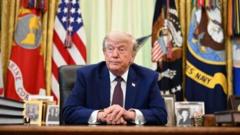

## Introduction Amid previously strained ties, U.S. President Donald Trump announced his intention to visit India at an unspecified future date during a bilateral meeting with Prime Minister Narendra Modi at the G7 summit in France. The declaration follows a year marked by tariff threats and the killing of three Indian sailors by U.S. forces in the Gulf of Oman, events that eroded mutual trust. This analysis compares the earlier frosty environment with the emerging thaw, focusing on trade, security, and future outlook.
## Background of US‑India Tensions Before 2025, relations soured after Trump announced new tariffs on Indian imports, prompting criticism from New Delhi. The subsequent death of three Indian sailors in a U.S. strike intensified diplomatic friction, leading India to summon senior U.S. diplomats twice. These incidents stalled progress on a prospective free‑trade agreement. Nevertheless, strategic ties within the Quad (U.S., India, Japan, Australia) kept a security dialogue alive, highlighting the complexity of the bilateral relationship.
## Drivers of the Thaw and the Promise of a Visit The thaw can be traced to the G7 summit, where Modi expressed willingness to deepen the partnership despite domestic pressures. Trump described Modi as a "tough negotiator," signaling mutual respect. He also pledged U.S. assistance should India face aggression, indicating a desire for stronger defence cooperation. Both leaders hinted at an imminent trade deal, although the U.S. recent announcement of import taxes on countries deemed insufficient in tackling forced labour adds a layer of uncertainty.
## Trade and Economic Issues Between the Two Nations Trade remains a central pillar; India imports roughly 90 % of its oil and is vulnerable to disruptions in the Strait of Hormuz. The U.S. seeks to expand market access for technology and consumer goods. Negotiations on a free‑trade agreement could reduce India’s reliance on unstable energy sources but face hurdles over forced‑labour standards and environmental criteria. Estimates suggest that a revitalized partnership could boost bilateral investment flows significantly, though precise figures are not publicly disclosed.
## Security and Defence Dimensions of the Renewed Relationship Regional security is a key driver of cooperation. During their discussion, the leaders addressed the safety of seafarers in the Strait of Hormuz and affirmed the need to protect vital shipping lanes. Trump reiterated that the United States would "help" India if it were attacked, reflecting an intent to deepen defence ties within the Quad framework. India, however, remains cautious about over‑reliance on U.S. military support amid internal political considerations.
## Future Outlook and Impact of a Potential Trump Visit on Asia Should Trump’s visit materialise, it would likely signal a firm U.S. commitment to the Indo‑Pacific, potentially accelerating the trade pact and expanding collaboration in clean energy and technology. Regionally, the move could be viewed as a counterbalance to China’s growing influence. Yet the success of these initiatives will hinge on both leaders’ ability to navigate domestic pressures and resolve lingering disputes over human‑rights and forced labour.



![[Pending Translation] كأس العالم 2026: الولايات المتحدة تضمن حضورها في الدور الثاني بعد فوزها على أستراليا 2-صفر](https://s.france24.com/media/display/e98fad16-66c8-11f1-96db-005056bfb2b6/w:1024/p:16x9/2026-06-13T013936Z-709115587-UP1EM6D04LZCZ-RTRMADP-3-SOCCER-WORLDCUP-USA-PRY.jpg)