## Introduction
On May 3, 2023, a 13‑year‑old boy carried out a mass shooting at the Vladislav Ribnikar elementary school in Belgrade, killing nine children and a security guard, with another child later dying in the hospital. Because the shooter was below the age of criminal responsibility, he was placed in a psychiatric facility, while his parents, Vladimir and Miljana Kecmanović, faced charges of neglect, abuse of a minor, and, for the father, a serious offence against public safety. After an initial trial in 2024 and a retrial that began in January 2026, the father received a sentence of 14 years and six months, and the mother was sentenced to two years and eleven months. This listicle examines the background, legal proceedings, legislative fallout, and universal parenting lessons drawn from this tragic case.
## Background of the Attack and Its Impact on Serbian Society
The Belgrade school shooting was a shock in a country where mass gun attacks are extremely rare. The teenager accessed two handguns stored in his father's safe, highlighting a glaring gap in household firearm management. Following the tragedy, tens of thousands protested, demanding stricter gun control. The government responded with a nationwide gun amnesty to collect unregistered weapons and introduced tighter storage regulations. These measures reflected a societal push to prevent a repeat of such horrors and underscored the need for a cultural shift toward greater parental vigilance regarding firearms. Investigations revealed that the boy had no formal training; he learned gun handling from his father, sparking a heated debate about parental responsibility for a child's exposure to lethal weapons.
## Details of the Parents' Trial and Retrial
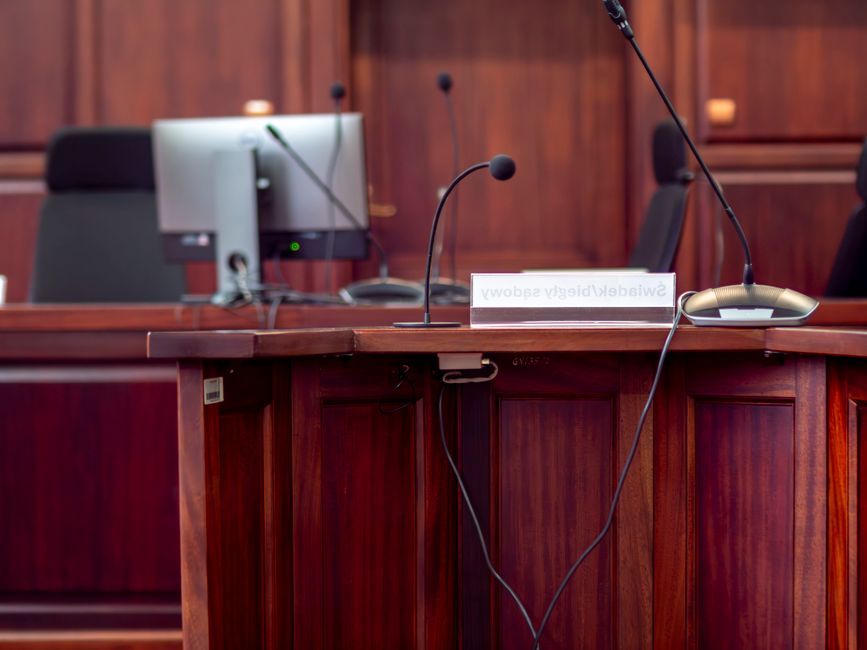
The first trial in 2024 heard the boy’s testimony behind closed doors. The father was convicted of a serious offence against public safety for unsafe storage and for training his son, while the mother was found guilty of neglect. Both the prosecution and the defence appealed, prompting the Supreme Court of Serbia to order a retrial in November 2025 due to contradictory reasoning in the original verdicts. The retrial began in January 2026, with the chief prosecutor arguing that convicting the parents would help answer how Serbian society responded to one of its most tragic peacetime events. The judge disclosed that the boy fired 66 rounds in two minutes and one second, emphasizing the lethal efficiency of the unsecured firearms. Ultimately, the court sentenced the father to 14½ years and the mother to just under three years, with both parties filing appeals, meaning the legal saga continues.
## New Legislation and Parental Responsibility in Serbia
In the wake of the attack, Serbia enacted a series of reforms aimed at improving firearm safety and reinforcing parental accountability. The revised weapons law now requires all firearms to be registered and stored in approved safety vaults, imposing heavy fines and prison terms for non‑compliance. A new statute obliges parents to provide evidence of secure storage and, where children are present, to demonstrate that they have received professional safety training. These measures stem from expert recommendations and signal a decisive move toward a preventative safety culture. Additionally, the Ministry of Education launched school‑based awareness programs that teach students about the dangers of weapons and encourage reporting of suspicious behavior, creating a multi‑layered protection network involving families, schools, and law enforcement.
## Lessons for Parents Around the World
The Serbian case offers universal takeaways for caregivers everywhere. First, firearms must be locked in tamper‑proof safes, out of reach of children. Second, any instruction on gun handling should be documented and supervised by certified professionals. Third, parents need to monitor their children's mental health and provide timely psychological support, especially in an era of digital pressures. Finally, the public outcry in Serbia shows that societies can drive legislative change when citizens unite. In a world where violent incidents are on the rise, the responsibility starts at home, and parents can serve as the first line of defense against tragedy.



![[Pending Translation] كأس العالم 2026: الولايات المتحدة تضمن حضورها في الدور الثاني بعد فوزها على أستراليا 2-صفر](https://s.france24.com/media/display/e98fad16-66c8-11f1-96db-005056bfb2b6/w:1024/p:16x9/2026-06-13T013936Z-709115587-UP1EM6D04LZCZ-RTRMADP-3-SOCCER-WORLDCUP-USA-PRY.jpg)