
## Introduction
Barack and Michelle Obama inaugurated their presidential center in Chicago this Thursday after more than a decade of planning, accompanied by a lavish musical fanfare that celebrated democratic principles. The ceremony was more than a tribute to the Obamas’ achievements; it carried unmistakable signals aimed at the current president, turning the event into a symbolic counter‑point between the bipartisan, consensus‑building approach of the Obama era and the centralized, personality‑driven style of the current administration. This article examines the multifaceted dimensions of the opening, focusing on political messaging, cultural choices, public reaction, and the potential implications for America’s future political discourse.
## Context and Symbolism
The inauguration took place at a time when political polarization is intensifying, prompting leaders on both sides to seek ways to restore public trust. Selecting Chicago—a city with deep roots in labor activism and civil‑rights movements—underscores the Obamas’ desire to link the library to a legacy of social justice. In contrast, the event serves as an indirect rebuke to the current president’s penchant for high‑visibility media stunts and social‑media‑driven spectacles. Symbolically, Obama’s reference to "the military and law enforcement owe allegiance to the people and the Constitution" draws a clear line between democratic accountability and the perceived personalism of the present administration.
## Political Rhetoric and Targeted Messages
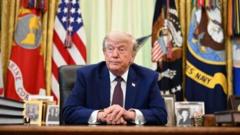
In his opening remarks, Barack Obama highlighted his administration’s milestones—ending wars, winning a peace prize, and listening to science—while subtly juxtaposing them with the current president’s contested claims of "ending wars" that lack substantive evidence. Michelle Obama delivered the sharpest barbs, denouncing the "lies about your birthright" narrative that the current president has perpetuated, and referencing recent incidents where the president’s social‑media posts depicted the Obamas in demeaning ways. Although the president’s name was not mentioned outright, the allusions were unmistakable. By contrast, the current administration’s communication style favors rapid, meme‑ready content, such as the deleted video clip that sparked public outcry.
## Cultural and Artistic Choices
The ceremony featured a roster of musical stars, actors, and retired politicians from a less‑polarized era, reflecting the Obamas’ strategy of reviving the "arts as a unifying force" concept. This approach stands in stark contrast to the current administration’s recent preference for high‑octane sporting events, exemplified by the UFC bout staged on the White House lawn for the nation’s 250th anniversary. The divergence in event typology reveals a fundamental difference in audience engagement: the Obamas leveraged shared cultural touchstones, while the president’s team leans on visual spectacle and viral moments.
## Public and Media Reception
Media coverage framed the opening as a "thunderstorm" of indirect criticism, echoing the Arabic trending term "عاصفة رعدية." Social‑media sentiment was split; Obama supporters praised the democratic messaging, whereas supporters of the current president dismissed the remarks as an unwarranted attack. Polls conducted shortly after the event indicated that the public appreciates events that blend culture with politics, viewing them as opportunities to rebuild trust in institutions. Conversely, critics of the Obama event argued that focusing on political rebuttals distracts from pressing economic and social issues.
## Future Implications for Political Discourse
The inauguration demonstrates how cultural events can become strategic tools in the battle for public opinion. If the current administration continues to rely on rapid‑fire media tactics, the gap between political elites and ordinary citizens may widen. Conversely, initiatives like the Obama library may encourage future leaders to invest in the arts as a bridge for dialogue. Ultimately, whether this event reshapes political rhetoric will depend on each side’s ability to harness such platforms for renewing democratic conversation.



![[Pending Translation] كأس العالم 2026: الولايات المتحدة تضمن حضورها في الدور الثاني بعد فوزها على أستراليا 2-صفر](https://s.france24.com/media/display/e98fad16-66c8-11f1-96db-005056bfb2b6/w:1024/p:16x9/2026-06-13T013936Z-709115587-UP1EM6D04LZCZ-RTRMADP-3-SOCCER-WORLDCUP-USA-PRY.jpg)