
## Scientific Advances in Understanding Mosquito Attraction: Breaking Down the Chemical and Sensory Puzzle
### The Persistent Question: Why Do Mosquitoes Prefer Some People?
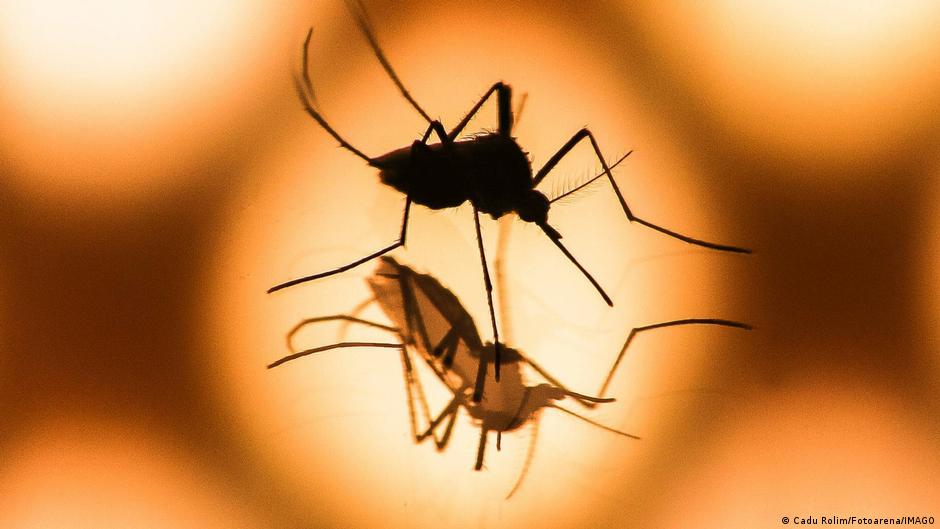
On June 19, 2026, researchers at the Institute for Medical Entomology Research in France, led by Dr. Frédéric Simard, emphasized that the belief that mosquitoes target certain individuals is not a misconception. Dr. Simard noted, “Mosquitoes do indeed show a preference for some people over others, but this attractiveness is not constant—it varies over time.” The preference is driven by a combination of sensory cues, including body odor, body heat, and exhaled carbon dioxide (CO₂), all of which are detected by the mosquito’s highly sensitive sensory receptors.
### Key Mosquito Attractants: The Role of Carbon Dioxide and Beyond
Swedish scientist Dr. Rickard Ignell, who recently published a study on this topic, explained that mosquitoes have been known for over a century to be attracted to CO₂, which is the first signal that triggers their search behavior. Dr. Ignell stated, “Mosquitoes can detect human scent from up to ten meters away, primarily due to the CO₂ we exhale. This is the initial cue that activates their hunting behavior.” As the mosquito approaches its target, additional factors such as body heat and humidity further influence its selection process.
### Debunking Myths: Blood Type, Skin Color, and Other Factors
Contrary to popular belief, blood type does not determine mosquito attraction. Dr. Simard clarified, “There is no scientific basis for the claim that mosquitoes prefer certain blood types. Previous studies on this topic have involved very small sample sizes.” Similarly, factors such as skin color, eye color, or hair color do not play a significant role in mosquito preference. Instead, the primary determinant lies in the chemical composition of human body odor.
### The Science of Human Body Odor and Mosquito Preference
Dr. Simard highlighted that the human body produces between 300 and 1,000 different odor compounds, and the specific blend of these molecules determines whether a person is more or less attractive to mosquitoes. While scientists are still in the early stages of identifying which compounds are most influential, recent research has pinpointed 27 key odor molecules that mosquitoes use to locate their hosts. In a study conducted by Dr. Ignell, researchers exposed 42 women to Aedes aegypti, a mosquito species known for transmitting diseases such as yellow fever and dengue, in a controlled laboratory setting. The results revealed that women who were more frequently bitten by mosquitoes—including pregnant women in their second trimester—produced higher levels of a specific compound derived from skin oils. This compound, identified as 1-octen-3-ol (also known as mushroom alcohol), was found to play a critical role in mosquito attraction. Dr. Ignell noted, “Even a small increase in the production of 1-octen-3-ol can make a significant difference in attracting mosquitoes, which was a surprising finding.”
### The Impact of Diet and Alcohol Consumption on Mosquito Attraction
Dietary habits, particularly the consumption of beer, can also influence mosquito attraction. Studies have shown that drinking beer increases body temperature, CO₂ output, and alters body odor, all of which may make individuals more appealing to mosquitoes. In a study conducted in Burkina Faso, volunteers consumed beer and water on separate occasions, and researchers found that the malaria-carrying mosquito Anopheles was more attracted to the scent of individuals who had consumed beer. Similarly, a 2023 study in the Netherlands involved 465 volunteers whose arms were placed in cages containing female Anopheles mosquitoes. Participants who had consumed beer within the previous 24 hours were 1.35 times more likely to be bitten by mosquitoes.
### The Public Health Implications: Mosquito-Borne Diseases and Climate Change
The discovery of the factors that make certain individuals more attractive to mosquitoes is becoming increasingly important as climate change expands the geographical range of mosquito species. For instance, the tiger mosquito (Aedes albopictus), which transmits viruses such as chikungunya, has been spreading into new regions. In 2025, chikungunya was reported for the first time in northeastern France, specifically in the Alsace region. Dr. Simard emphasized, “This expanding threat is affecting an increasing number of people, making it crucial to understand the mechanisms behind mosquito attraction.”
### Mosquito Bite Prevention: Evidence-Based Strategies
To mitigate the risk of mosquito bites, Dr. Simard recommends several evidence-based strategies. These include wearing loose-fitting, long-sleeved clothing, using mosquito nets, and applying mosquito repellents. Additionally, he advises individuals to opt for light meals and limit alcohol consumption, as these factors can influence body odor and CO₂ output, thereby reducing attractiveness to mosquitoes.
---
Reporting by: Mohamed Farhan



![[Pending Translation] كأس العالم 2026: الولايات المتحدة تضمن حضورها في الدور الثاني بعد فوزها على أستراليا 2-صفر](https://s.france24.com/media/display/e98fad16-66c8-11f1-96db-005056bfb2b6/w:1024/p:16x9/2026-06-13T013936Z-709115587-UP1EM6D04LZCZ-RTRMADP-3-SOCCER-WORLDCUP-USA-PRY.jpg)