## New Roadmap to End Libya’s Division: Libya Moves Closer to Elections
Date: 18 June 2026
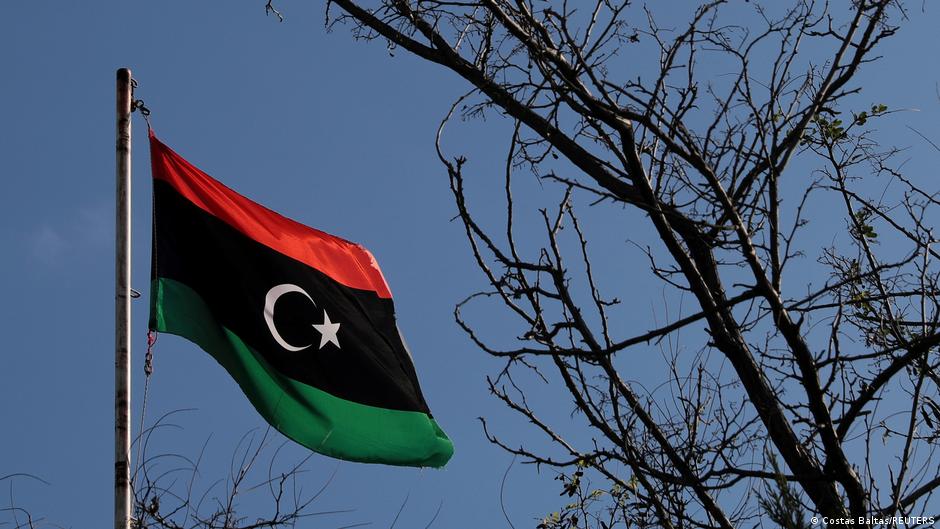
In a striking political development, the heads of Libya’s three principal institutions have agreed on a roadmap that targets presidential and parliamentary elections within the next eight months, seeking to close a long‑standing transition that has strained the country since the fall of Muammar Gaddafi in 2011.
### Political Agreement on Election Timing
The Speaker of the House of Representatives, Agila Saleh, the President of the Presidential Council, Mohamed Al‑Munfi, and the President of the High Council of State, Mohamed Takala, announced a joint agreement to hold simultaneous presidential and parliamentary elections by 17 February 2027. The shared statement stressed that the move is intended to unify state institutions and end the persistent political split.
### Persistent Split Since 2011
Libya remains divided between two legislative bodies: a parliament in the east and a State Council in the west. Two parallel executive administrations also operate semi‑independently—an internationally recognised government in Tripoli and a rival administration centred in Benghazi and Tobruk. This bifurcation has crippled state institutions and stalled reform initiatives, most notably the parliamentary and presidential elections that were originally scheduled for the end of 2021. The stalemate has kept the country in a prolonged state of political inertia.
### Khalifa Haftar Endorses a Parallel U.S. Initiative
While the Libyan National Army (LNA) under General Khalifa Haftar has not formally rejected the Thursday roadmap, its leadership publicly expressed support for a separate U.S.‑backed proposal aimed at unifying the executive branch as a gateway to a political solution. In a statement, the LNA described the initiative—led by U.S. President’s senior adviser for Africa Masad Pols—as “a unique and distinguished effort that deserves a chance to become the missing entry point for a peaceful political resolution.” The LNA said it is ready to engage in any negotiation process that charts a rapid path to elections.
### Unifying the Executive as a Path to Solution
The American‑sponsored plan focuses on merging the fragmented executive institutions, strengthening dialogue between east and west, and creating conditions conducive to holding elections. Observers note that the proposal reflects a growing international appetite to push Libyan parties toward a durable political settlement.
### Signals of Openness to International Solutions
According to Germany’s Deutsche Presse-Agentur (DPA), the LNA’s stance under Haftar signals a notable political shift: greater openness to international efforts, willingness to join a politically‑led dialogue under the U.S.‑backed initiative, and a preference for negotiation over escalation. The agency adds that the emphasis on executive unification is intended to pave the way for elections that would finally end the transition period.
### Implementation Challenges Remain
Despite these advances, major obstacles persist, including the entrenched split between the two governments and legislative bodies, the difficulty of merging military and civilian institutions, and a deep‑seated lack of trust among political actors.
### A Critical Moment for Libya’s Transition
These moves coincide with a crucial briefing delivered by UN Support Mission in Libya (UNSMIL) head Hanna Titié to the United Nations Security Council on the Libyan situation. Analysts warn that the success of either the domestic roadmap or the U.S. initiative could represent the last real chance to end years of chaos and open the door to the long‑awaited political stability Libya needs.
Report by F.Y.



![[Pending Translation] كأس العالم 2026: الولايات المتحدة تضمن حضورها في الدور الثاني بعد فوزها على أستراليا 2-صفر](https://s.france24.com/media/display/e98fad16-66c8-11f1-96db-005056bfb2b6/w:1024/p:16x9/2026-06-13T013936Z-709115587-UP1EM6D04LZCZ-RTRMADP-3-SOCCER-WORLDCUP-USA-PRY.jpg)