
## Introduction
## Key reasons behind the postponement The postponement of the negotiations in Switzerland stems from several critical factors. Primarily, deep-seated disagreements between the two sides over core issues remain unresolved. The United States continues to push for stringent conditions, including halting uranium enrichment and adhering to international inspection protocols, while Iran insists on the lifting of economic sanctions imposed by the US over recent years. Additionally, the issue of Iran's missile program poses another significant hurdle, with Washington viewing it as a regional security threat.
Regional developments have also played a substantial role in delaying the talks. Persistent tensions in the region, particularly the escalating military confrontations between Israel and Hezbollah in Lebanon and Syria, have made it challenging for both parties to focus on diplomatic negotiations. Furthermore, the involvement of regional powers such as Saudi Arabia and the UAE in shaping regional dynamics has indirectly impacted the negotiation dynamics between the US and Iran.
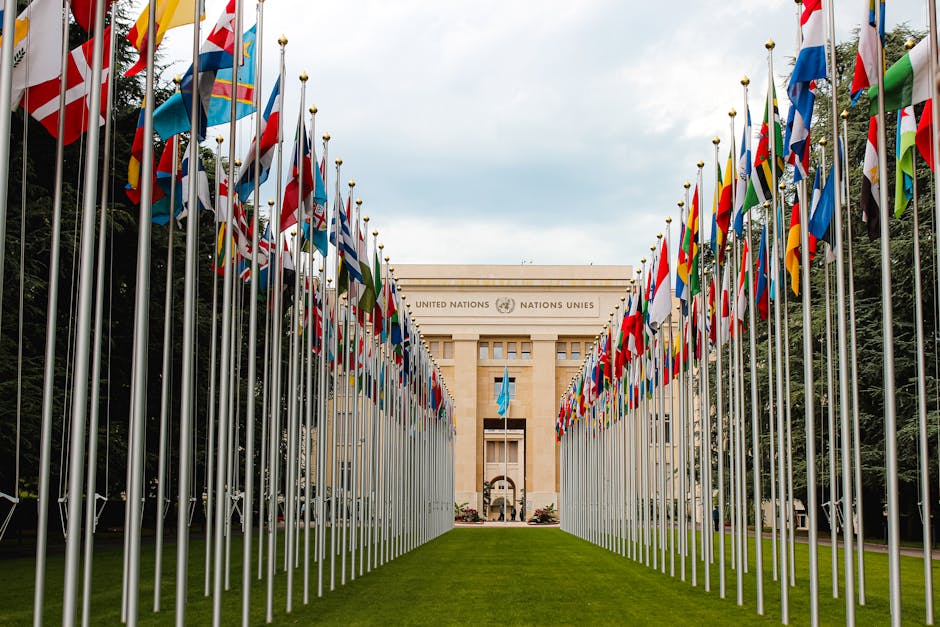
## Switzerland’s diplomatic role in the negotiations Switzerland occupies a central position in the US-Iran diplomatic negotiations, with Geneva standing as one of the world’s most critical diplomatic hubs. Switzerland plays a vital role in facilitating dialogue between conflicting parties, leveraging its political neutrality and capacity to host confidential negotiations. Its reputation as an impartial mediator makes it an ideal venue for such high-stakes talks.
It is worth noting that Switzerland has previously hosted rounds of negotiations between the two sides, though these have yet to yield a breakthrough. The complexity of the issues at hand, which require broad international consensus beyond the two parties, accounts for this lack of progress. International pressures, particularly from the European Union and other global actors, further constrain Switzerland’s ability to broker substantive solutions.
## Implications of the postponement on the region The postponement of the US-Iran negotiations carries wide-ranging implications for the region. Continued delays in reaching an agreement could heighten tensions between the two sides, with military escalations in the region—such as the ongoing reciprocal attacks between Israel and Hezbollah—potentially expanding to involve additional actors.
The postponement could also impact global oil markets, given Iran’s status as one of the region’s largest oil producers. Political instability in the region may drive up oil prices, adversely affecting the global economy. Furthermore, any military escalation could disrupt maritime traffic in the Arabian Gulf, posing risks to global supply chains.
## The future of US-Iran diplomatic negotiations Despite the postponement of the round in Switzerland, there remains hope for the resumption of diplomatic dialogue between the US and Iran in the near future. Temporary agreements, such as the 2024 framework, remain in place and could serve as a foundation for renewed negotiations.
International pressure, particularly from the European Union and other global actors, may encourage both parties to reconsider their positions. The EU, for instance, could play a pivotal role in encouraging the resumption of talks. Regional developments, such as the relative easing of tensions between Iran and Saudi Arabia, could also open new avenues for negotiation.
However, significant obstacles to resuming negotiations persist, particularly the lack of consensus on core issues. While the US demands strict measures, Iran seeks the removal of economic sanctions. Disagreements over Iran’s missile program remain a major barrier to reaching a comprehensive agreement.
## Conclusion The postponement of the US-Iran negotiations in Switzerland underscores the complexities and challenges inherent in international relations today. As the US pushes for stringent conditions, Iran seeks an end to economic sanctions, with regional and international developments further complicating the path to agreement. Yet, there remains cautious optimism for the resumption of talks in the future, driven by international and diplomatic pressures.



![[Pending Translation] كأس العالم 2026: الولايات المتحدة تضمن حضورها في الدور الثاني بعد فوزها على أستراليا 2-صفر](https://s.france24.com/media/display/e98fad16-66c8-11f1-96db-005056bfb2b6/w:1024/p:16x9/2026-06-13T013936Z-709115587-UP1EM6D04LZCZ-RTRMADP-3-SOCCER-WORLDCUP-USA-PRY.jpg)