## Introduction
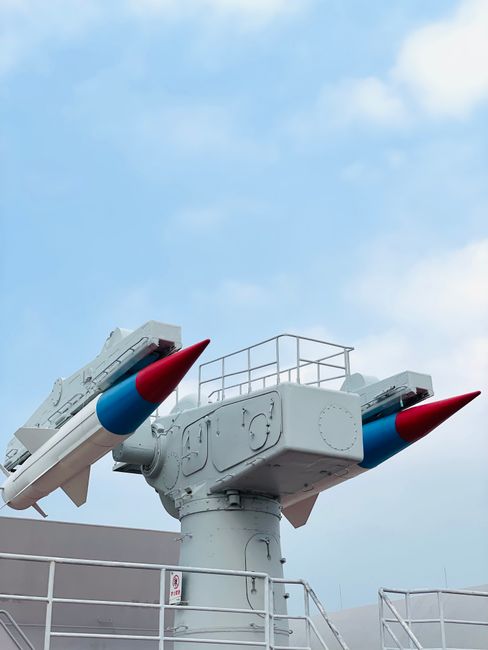
The recent announcement by the U.S. administration to withdraw over five thousand troops from Germany and to cancel the planned deployment of Tomahawk missiles—capable of striking up to 2,500 km—raises a pivotal question about the future of European security. The missiles were intended to serve as a critical deterrent against Russia and as a tangible expression of the United States' commitment to NATO. Their removal forces both the alliance and Germany to confront new strategic gaps, reconsider force distribution, and explore alternative deterrence options. This article examines the repercussions of the cancellation from strategic, technical, and political perspectives, drawing on insights from defense analysts.
## Impact on European Deterrence
Tomahawk missiles were expected to provide a long‑range strike capability that complemented existing European air‑defense and missile systems. By pulling the missiles from the deployment plan, the alliance loses a key layer of deterrence that could have complicated Russian operational planning. Experts note that the absence of this capability may embolden Moscow to test NATO resolve more aggressively. Conversely, the gap may accelerate European efforts to develop comparable medium‑range systems, such as Germany's "Amelitus" project or joint EU missile initiatives currently under discussion.
## Shifting the Balance within NATO
The removal of more than five thousand U.S. soldiers represents a substantial reduction in the American footprint on the continent. Coupled with the cancellation of Tomahawk deployment, the United States' ability to launch precise, long‑range strikes from German bases diminishes. This could prompt a redistribution of responsibilities among NATO members, with the United Kingdom, France, and other European powers taking on a larger share of conventional and rapid‑response forces. Additionally, the United States may redirect resources toward the Indo‑Pacific theater, creating a strategic vacuum in Europe that NATO will need to address collectively to maintain credible collective defence.
## Pressure on Germany to Accelerate Indigenous Missile Development
Germany, which is already planning to increase its active‑duty personnel from roughly 185,000 to 260,000, now faces heightened pressure to reduce reliance on U.S. missile support. Analysts such as Christian Mölling and Nico Langer argue that without a long‑range strike option, Germany's deterrence posture against the Russian threat emanating from Kaliningrad is significantly weakened. The German government may therefore fast‑track domestic missile programmes and deepen cooperation with other European states to share research, development, and testing infrastructure. While this could boost the European defense industry, it also demands substantial budget allocations that may encounter domestic political resistance.
## Geopolitical Risks and Heightened Tensions with Russia
Strategic assessments suggest that the U.S. pullback could be interpreted by Russia as a sign of internal discord within the Western alliance, potentially encouraging more assertive Russian behaviour in the Baltic region or an expansion of its Kaliningrad missile assets. In response, European capitals may intensify diplomatic outreach to Moscow to manage escalation risks, while simultaneously maintaining a robust military readiness posture. The ultimate outcome hinges on whether Europe can close the capability gap swiftly enough to prevent a security vacuum that could be exploited by Moscow.



![[Pending Translation] كأس العالم 2026: الولايات المتحدة تضمن حضورها في الدور الثاني بعد فوزها على أستراليا 2-صفر](https://s.france24.com/media/display/e98fad16-66c8-11f1-96db-005056bfb2b6/w:1024/p:16x9/2026-06-13T013936Z-709115587-UP1EM6D04LZCZ-RTRMADP-3-SOCCER-WORLDCUP-USA-PRY.jpg)