## Introduction The recent escalation along the Lebanese-Israeli border has coincided with the cancellation of scheduled Geneva talks aimed at reducing tensions between the two parties. This escalation occurs against a backdrop of a complex regional environment, where key actors seek to strengthen their positions before potential negotiations or international intervention. Understanding the underlying causes of this escalation—whether from the Lebanese or Israeli perspective—along with its implications for the international arena is crucial. This comparison objectively examines the factors leading to this situation while analyzing the available options for resolving the crisis.
## Causes of Escalation from the Lebanese Perspective The reasons for the escalation on the Lebanese-Israeli border are multifaceted, involving both domestic and external factors. Internally, Lebanon is grappling with a severe political and economic crisis, lacking the stable governance necessary to implement decisive decisions regarding security matters. The presence of non-state armed groups, such as Hezbollah, also plays a role in heightening tensions, as these groups bolster their military positions through operations against Israel, prompting immediate Israeli responses. Externally, Lebanon faces pressure from the United States and its regional allies, who aim to curb Iranian influence and Hezbollah’s power, further complicating the crisis.
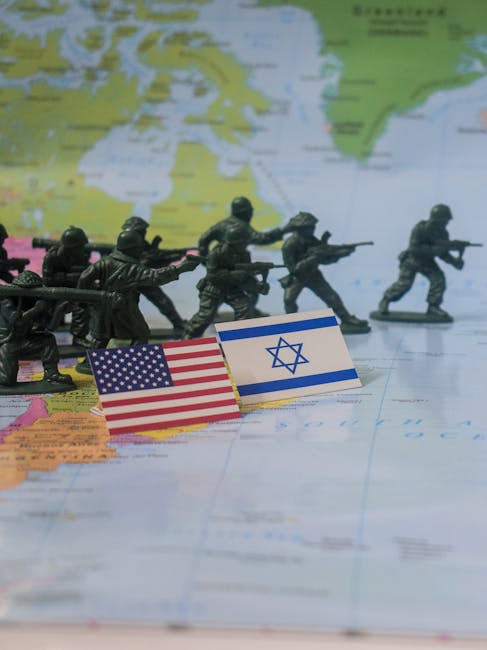
## Causes of Escalation from the Israeli Perspective On the other hand, Israel seeks to enhance its national security by taking preemptive measures against potential threats originating from its northern border. The Israeli military views any military operations against Hezbollah or other groups in Lebanon as part of a defensive strategy aimed at preventing future attacks. Additionally, Israel’s government faces internal political pressures, with the prime minister seeking to bolster his security image ahead of upcoming elections. Regionally, the United States supports Israel politically and militarily, providing a broader margin for decision-making that could further escalate tensions.
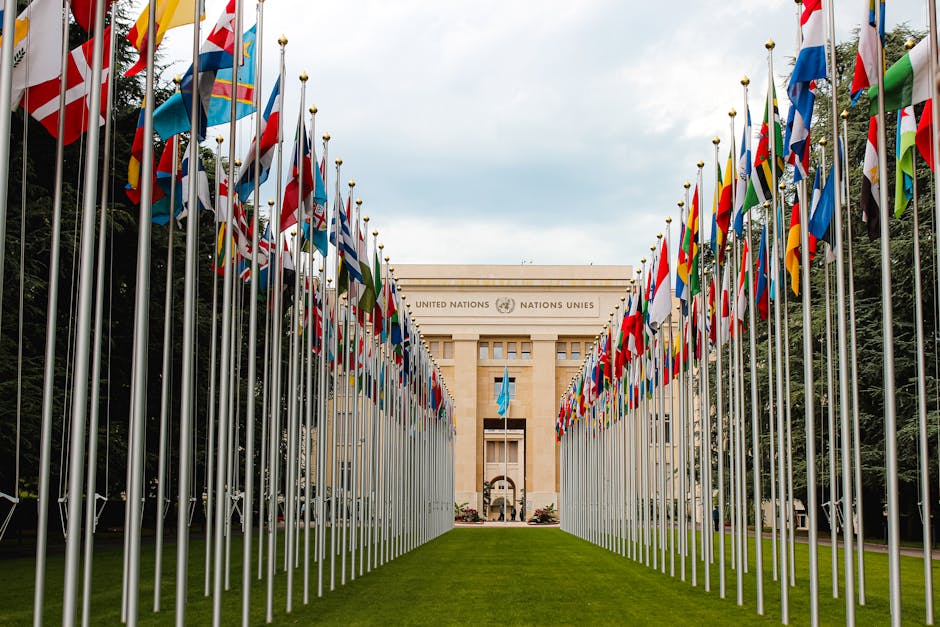
## Implications of Canceling Geneva Talks The cancellation of the Geneva talks has exacerbated the crisis, depriving key stakeholders of an opportunity to negotiate under an international framework. This decision is expected to intensify military escalation, particularly as the absence of dialogue increases uncertainty about the intentions of both parties. Internationally, the credibility of diplomacy may decline, especially given that the United Nations and other countries had previously invested efforts in mediation. Additionally, this decision could lead to increased economic pressure on Lebanon, with some nations potentially imposing sanctions or restrictions on aid.
## Available Options for Resolving the Crisis Several options exist for resolving the crisis, starting with a return to diplomatic negotiations under an international umbrella, such as the United Nations or European states. A gradual approach to de-escalation, such as a temporary ceasefire or prisoner exchanges, could also be considered. Furthermore, a regional dialogue involving all concerned parties, including Hezbollah and its supporting states, may be viable. It is also essential for both sides to reassess their domestic policies—particularly in Lebanon—to ensure political and economic stability that could facilitate a resolution.
## Strengths and Weaknesses of Each Party - Lebanon: A key strength lies in international humanitarian support amid its economic crisis. However, a significant weakness is the lack of political stability and the inability to control non-state armed groups within its territory. - Israel: A major strength is the military and political backing from the United States and its allies, allowing it to take military action without immediate international repercussions. A key weakness, however, is domestic political pressures and concerns about a prolonged escalation that could impact internal stability.



![[Pending Translation] كأس العالم 2026: الولايات المتحدة تضمن حضورها في الدور الثاني بعد فوزها على أستراليا 2-صفر](https://s.france24.com/media/display/e98fad16-66c8-11f1-96db-005056bfb2b6/w:1024/p:16x9/2026-06-13T013936Z-709115587-UP1EM6D04LZCZ-RTRMADP-3-SOCCER-WORLDCUP-USA-PRY.jpg)