## Introduction
The Democratic Republic of the Congo (DRC) is one of the countries most affected by recurrent Ebola outbreaks. Healthcare workers in the DRC face immense challenges, including harsh environmental conditions, limited resources, and low community awareness. Despite these obstacles, they combat the virus through comprehensive strategies focused on prevention, early diagnosis, and infection control. This practical guide provides actionable steps to help healthcare workers effectively tackle Ebola.
## Understanding Ebola and Its Role in the Democratic Republic of the Congo
Ebola is a severe viral disease transmitted through bodily fluids, characterized by symptoms such as fever, vomiting, diarrhea, and internal bleeding. In the DRC, the virus is endemic in certain regions, complicating efforts to control it. Transmission often occurs through contact with infected animals or humans, with outbreaks frequently emerging in areas lacking robust healthcare infrastructure and trained personnel.
In recent years, the DRC has experienced multiple Ebola outbreaks, notably in 2022 and 2024, with over 2,500 suspected cases reported. Studies indicate that 30% of these cases involved healthcare workers, underscoring the critical need to protect and safeguard them during their duties.
## Personal Prevention Measures for Healthcare Workers
Healthcare workers must adopt stringent preventive measures to avoid contracting Ebola. These include:
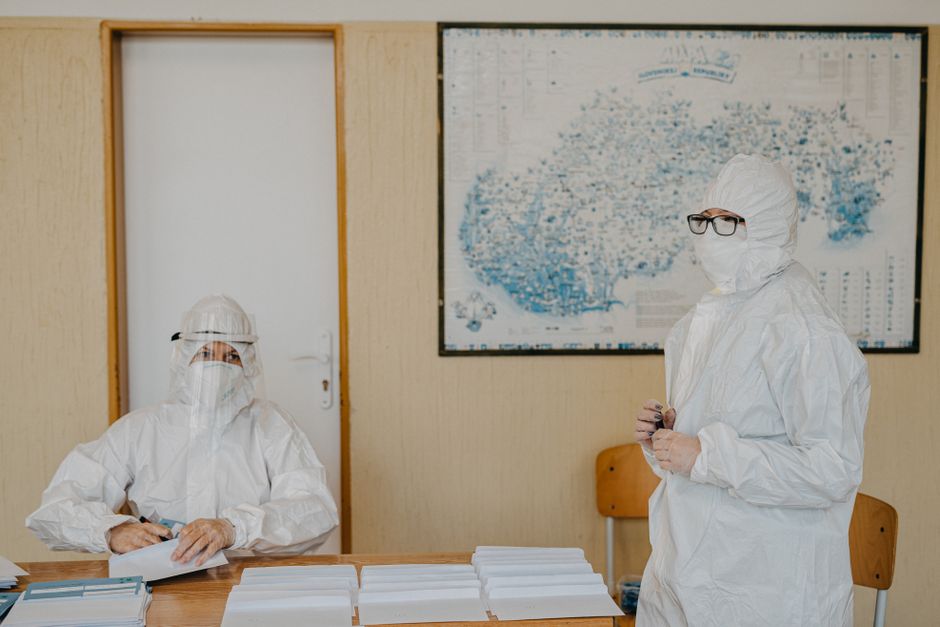
- Wearing Personal Protective Equipment (PPE): Don full-body protective suits, gloves, face shields, and covered footwear when handling suspected cases. Ensure PPE is properly sanitized before and after use. - Regular Hand Hygiene: Wash hands with soap and water for at least 20 seconds or use alcohol-based hand sanitizer, particularly after contact with patients or contaminated surfaces. - Avoid Direct Contact: Refrain from direct contact with bodily fluids, including blood, saliva, and urine. - Immediate Isolation of Patients: Isolate suspected cases in dedicated areas to prevent virus spread to other regions.
## Early Diagnosis and Prompt Reporting
Early diagnosis of Ebola is crucial in controlling outbreaks. Healthcare workers should:
- Monitor Symptoms: Look for common Ebola symptoms such as sudden fever, severe headache, muscle pain, vomiting, and bloody diarrhea. - Conduct Laboratory Tests: Send patient samples to accredited labs for testing using techniques like Polymerase Chain Reaction (PCR). - Report Suspected Cases: Report any suspected cases immediately to local and international health authorities, such as the World Health Organization (WHO).
## Infection Control in Healthcare Facilities
To minimize the risk of Ebola transmission in hospitals and clinics, healthcare workers should:
- Disinfect Surfaces: Sanitize all surfaces and medical equipment using effective disinfectants like chlorine. - Train Staff: Train all healthcare workers on safe patient handling, emphasizing proper use of PPE. - Implement Isolation Protocols: Follow strict isolation protocols, including the use of negative-pressure isolation rooms where available. - Regulate Patient Flow: Organize patient flow in healthcare facilities to prevent overcrowding and facilitate sanitation.
## International Support and Local Collaboration
International organizations play a vital role in supporting the DRC's fight against Ebola. Their efforts include:
- Vaccine Distribution: Providing Ebola vaccines, such as Ervebo, to healthcare workers and at-risk communities. - Logistical Assistance: Offering logistical support, including PPE, medical supplies, and transportation vehicles, through organizations like the WHO and UNICEF. - Technical Support: Providing technical support to train healthcare workers on the latest diagnostic and infection control techniques.
Local collaboration is equally important, involving community awareness campaigns to educate populations on transmission routes and preventive measures.
## Challenges Faced by Healthcare Workers
Despite ongoing efforts, healthcare workers in the DRC face significant challenges:
- Resource Shortages: Many healthcare facilities lack essential equipment, such as ventilators and protective gear. - Violence and Conflicts: Armed conflicts in certain regions hinder healthcare workers' access to patients. - Low Community Awareness: Some communities exhibit weak awareness of Ebola, leading to treatment refusals or non-compliance with preventive measures. - Psychological Fatigue: Many healthcare workers experience psychological fatigue due to the mental and physical strain of working in high-risk environments.
## Conclusion
Healthcare workers in the DRC face daunting challenges in combating Ebola, yet they remain the cornerstone of efforts to control the disease. By adhering to strict prevention measures, following safety protocols, and securing necessary support, they can significantly reduce virus transmission and save lives. Success requires close collaboration among healthcare workers, local authorities, international organizations, and local communities.



![[Pending Translation] كأس العالم 2026: الولايات المتحدة تضمن حضورها في الدور الثاني بعد فوزها على أستراليا 2-صفر](https://s.france24.com/media/display/e98fad16-66c8-11f1-96db-005056bfb2b6/w:1024/p:16x9/2026-06-13T013936Z-709115587-UP1EM6D04LZCZ-RTRMADP-3-SOCCER-WORLDCUP-USA-PRY.jpg)