## Introduction
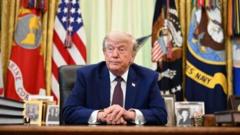
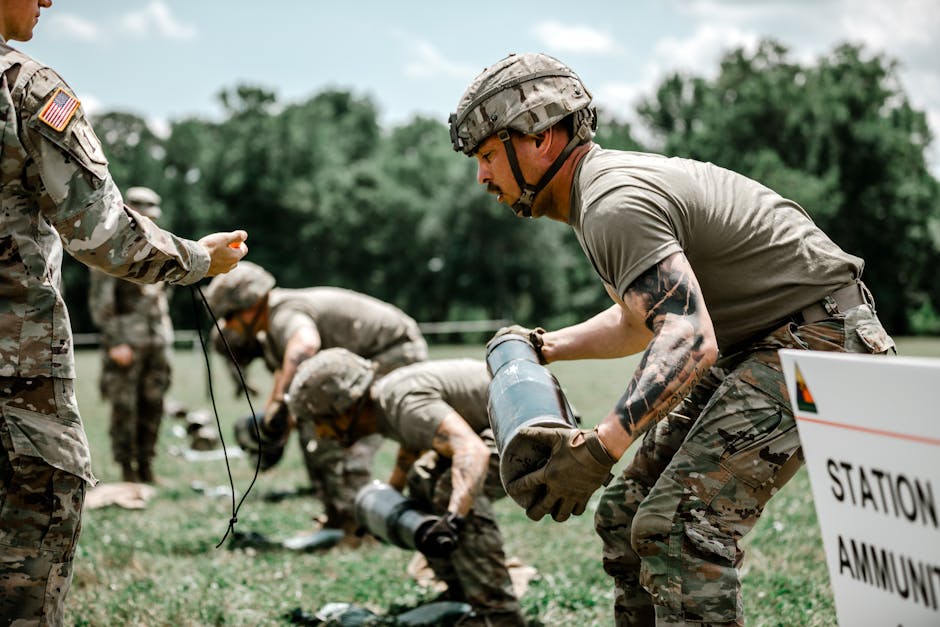
## Reasons Behind the U.S. Military Withdrawal from Germany The decision to withdraw stems from a comprehensive review conducted by the U.S. Department of Defense (Pentagon) regarding military positioning in Europe, as announced by Pentagon spokesperson Sean Barrel. Barrel indicated that the decision was made following instructions from Defense Secretary Pete Hegseth to reevaluate the strategic deployment of U.S. forces in Europe. This move aligns with repeated criticisms from Trump toward European allies, particularly Germany, for their insufficient contributions to joint military efforts, including the war against Iran.
Trump had repeatedly expressed dissatisfaction with the limited support provided by European countries to the U.S. war effort in Iran, arguing that NATO allies were not bearing their fair share of military and economic burdens. He also directly criticized Germany, pointing to its economic and political weaknesses in response to statements by Chancellor Merz, who suggested that Iran’s leadership was «humiliating» the United States.
## European Reactions and Political Implications The German government considers the withdrawal «expected», according to remarks by German Defense Minister Boris Pistorius, who stressed that the U.S. military presence remains vital to European security. However, Pistorius emphasized the need for European countries to take greater responsibility for their own security, noting that Germany is moving forward with plans to enhance its armed forces and accelerate defense programs.
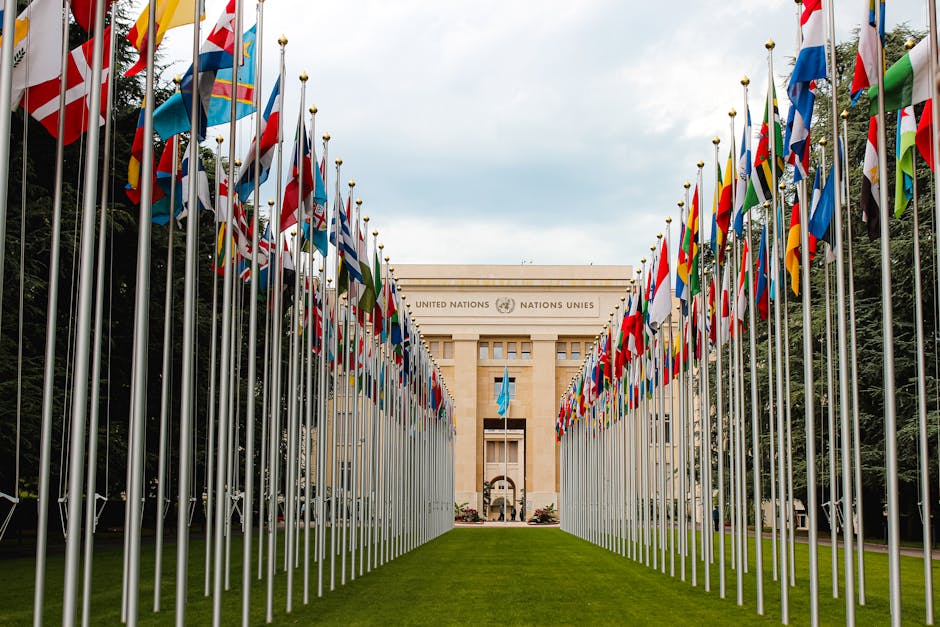
Poland, meanwhile, has expressed deep concern over the decision, particularly in light of the ongoing Russia-Ukraine war. Polish Prime Minister Donald Tusk stated on X (formerly Twitter): «The greatest threat to the transatlantic alliance is not its external enemies, but its internal disintegration.» He added that all members must do everything necessary to reverse this «disastrous» trajectory.
## NATO’s Stance on the U.S. Decision NATO quickly engaged with Washington to understand the details of the decision and explore ways to mitigate its impact. NATO spokesperson Alison Hart stated that the alliance «is working with the United States to understand the details of its decision regarding troop positioning in Europe.» She emphasized that NATO «remains committed to discussing ways to strengthen collective security.»
These steps reflect NATO’s determination to avoid leaving a strategic vacuum in Europe, especially amid growing security challenges such as the Russia-Ukraine war and tensions in the Middle East. The alliance is also seeking to enhance cooperation among its European members, particularly those in the East like Poland, which fears a decline in U.S. support.
## Future Implications for European and International Security The U.S. withdrawal from Germany is expected to lead to a redistribution of American forces in Europe, potentially shifting them to Eastern European countries like Poland and Romania to strengthen NATO’s eastern flank. This move could also push European countries to accelerate efforts to build their own defense capabilities, particularly in areas like military technology and missile defense.
On the other hand, the withdrawal may strengthen new security partnerships among European countries, such as the European Defense Initiative (EDI), which France and Germany are seeking to lead. However, these efforts could face significant challenges, particularly due to strategic differences among European nations.



![[Pending Translation] كأس العالم 2026: الولايات المتحدة تضمن حضورها في الدور الثاني بعد فوزها على أستراليا 2-صفر](https://s.france24.com/media/display/e98fad16-66c8-11f1-96db-005056bfb2b6/w:1024/p:16x9/2026-06-13T013936Z-709115587-UP1EM6D04LZCZ-RTRMADP-3-SOCCER-WORLDCUP-USA-PRY.jpg)