## Introduction
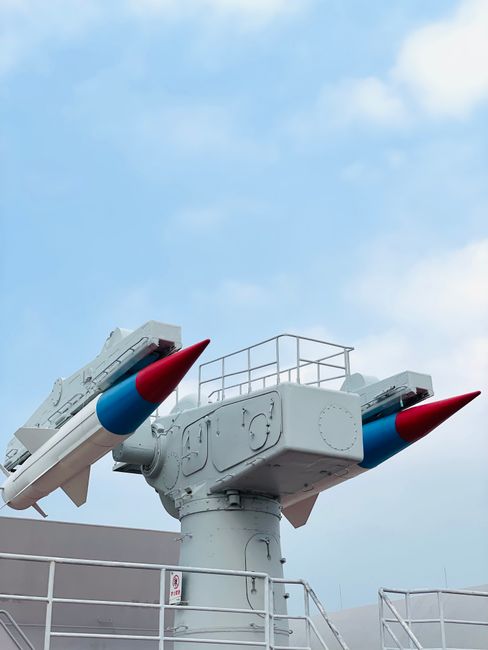
## Military and Security Consequences for Germany and NATO Experts warn that the U.S. withdrawal from deploying Tomahawk missiles, with a range of up to 2,500 kilometers, creates a critical void in Europe’s deterrence capabilities. These missiles were expected to serve as a temporary measure while European nations developed their own long-range missile systems. According to security analyst Nico Lange, Russia’s existing missile deployments in Kaliningrad already pose a direct threat to Europe, yet Germany lacks the missile capabilities to counterbalance this. The absence of U.S. Tomahawk missiles forces Germany to accelerate its own missile development programs, a process that demands substantial financial investment and technological innovation—efforts that could span years. NATO’s collective defense strategy, already strained, now faces further fragmentation as European nations reassess their reliance on U.S. military support.
## Impact on U.S.-European Relations The decision to withdraw Tomahawk missiles, coupled with the removal of over 5,000 U.S. troops from Germany, has deepened skepticism among European allies about America’s commitment to NATO. While the U.S. frames these moves as a reallocation of resources, European leaders view them as a retreat from traditional defense obligations. This shift may push European nations to prioritize independent defense capabilities, including the development of indigenous missile systems and increased defense spending. The decision could also accelerate discussions on strengthening the European pillar within NATO, potentially leading to a more autonomous European defense policy.
## Economic Ramifications for Germany and Europe The U.S. withdrawal from missile deployment and troop reduction is expected to have immediate economic repercussions for Germany. The country’s defense industry, heavily reliant on U.S. technology, may face short-term disruptions. However, the move could also stimulate investment in domestic defense manufacturing, fostering job creation and technological advancements in sectors such as aerospace and cybersecurity. Increased defense budgets across Europe may further bolster these industries, though the transition period could impose fiscal strains on national economies already grappling with inflation and energy costs.
## Potential Scenarios and Europe’s Future Security Landscape Analysts outline several potential scenarios for Europe’s future. In one, European nations—particularly Germany, France, and the UK—accelerate the development of their own long-range missiles, reducing dependence on U.S. systems. Alternatively, Europe may deepen its defense cooperation with non-NATO partners, such as Japan or Australia, to fill critical gaps. Another possibility is heightened tensions with Russia, particularly if Moscow interprets Europe’s defensive measures as provocative. To mitigate risks, Europe may also prioritize investments in intelligence and surveillance technologies, alongside cyber defense, to address the void left by the absence of U.S. Tomahawk missiles.
## How Can Germany Address This Challenge?



![[Pending Translation] كأس العالم 2026: الولايات المتحدة تضمن حضورها في الدور الثاني بعد فوزها على أستراليا 2-صفر](https://s.france24.com/media/display/e98fad16-66c8-11f1-96db-005056bfb2b6/w:1024/p:16x9/2026-06-13T013936Z-709115587-UP1EM6D04LZCZ-RTRMADP-3-SOCCER-WORLDCUP-USA-PRY.jpg)