
## Introduction
The urgency stems from real-world incidents where AI-driven systems have already caused devastating consequences, as well as from fears that unchecked autonomy in lethal decision-making could lead to a new era of uncontrolled violence. As discussions intensify toward a potential global treaty, the question remains: Can humanity maintain control over machines that kill?
## What Are Lethal Autonomous Weapons?
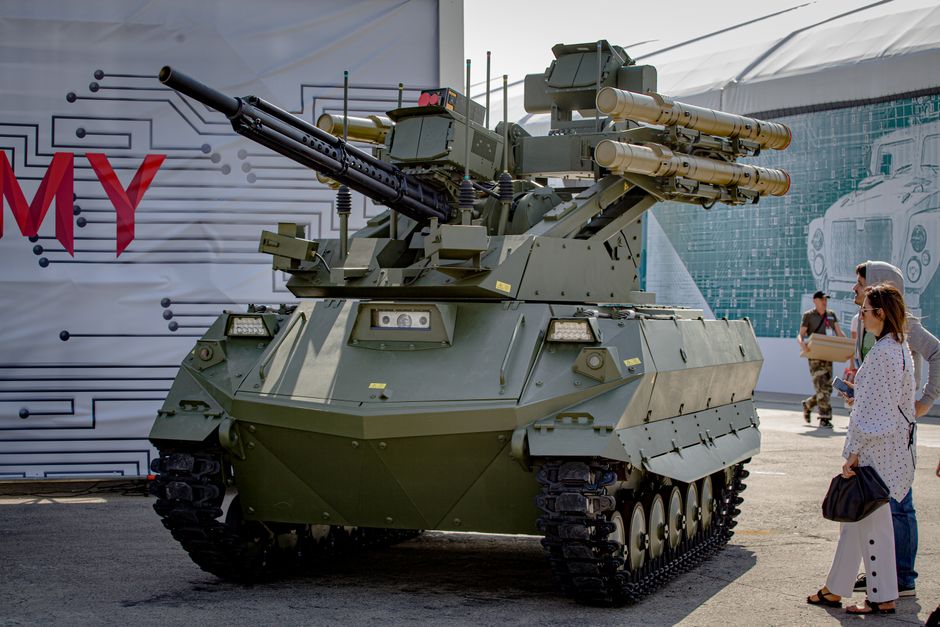
Lethal autonomous weapons systems (LAWS) are weapons that, once activated, can select and engage targets without further human intervention. These systems encompass armed drones, self-driving tanks, and autonomous naval vessels equipped with advanced AI algorithms for target recognition, tracking, and engagement. Unlike traditional remotely piloted drones—where a human operator makes the final call to fire—LAWS make lethal decisions based on real-time data processing.
According to the Konrad Adenauer Foundation in Germany, LAWS fall under the broader category of "autonomous weapons" capable of operating beyond direct human oversight. Their defining feature is the ability to independently determine when and how to use lethal force, raising profound ethical, legal, and strategic concerns about accountability, proportionality, and the risk of misuse.
## International Alarm: Losing Control Over Future Warfare
Global leaders are increasingly voicing concerns that unregulated LAWS could lead to catastrophic outcomes. In June 2026, Armin Papperger, CEO of Rheinmetall, a leading German defense contractor, called for a universal legal framework to ensure humans—not machines—retain the final say over the use of force. Papperger compared the need for regulation to that of nuclear weapons, advocating for a multinational ethics council or a United Nations resolution to set binding limits.
Volker Türk, the UN High Commissioner for Human Rights, echoed these concerns in a June 15 address to the Human Rights Council in Geneva. He warned that the risks long associated with autonomous weapons are no longer theoretical—they are materializing. He described the proliferation of drone warfare in conflict zones like the Democratic Republic of the Congo, Gaza, Lebanon, Myanmar, and Ukraine as creating "a new circle of hell," resulting in massive civilian casualties and widespread terror.
## Deadly AI Errors: When Autonomy Turns Deadly
Real-world incidents underscore the dangers of delegating lethal decisions to machines. In the opening days of the Iran conflict, an AI-driven targeting system misidentified a school in southern Iran as a military target, leading to what investigators termed a "perceptual error." The strike resulted in the deaths of hundreds of children, highlighting the catastrophic potential of autonomous systems in high-stakes environments.
In Sudan, reports documented over 1,000 civilian deaths between January and May 2026 due to drone strikes. These attacks also destroyed humanitarian aid convoys and critical energy infrastructure, deepening civilian suffering and undermining peace efforts.
## The Push for a Global Treaty: Is It Enough?
For nearly a decade, diplomats and human rights advocates have debated the feasibility of an international treaty to regulate LAWS. According to recent reports, states are expected later this year to decide whether to begin formal negotiations on a comprehensive treaty. The High Commissioner for Human Rights has urged nations to adopt a unified approach that prioritizes civilian protection, reinvigorates diplomacy, and updates legal frameworks to mandate human control and ensure accountability.
Experts stress that without binding international law, LAWS could become tools of mass atrocities with no clear path to justice. The call is not just for regulation, but for the embedding of "human-in-the-loop" principles at every stage—ensuring no autonomous system can end a human life without direct human oversight.
## Can We Prevent the 'Robots Gone Wild' Scenario?
Averting disaster demands a collaborative global response involving governments, international bodies, technologists, and civil society. While legal frameworks are essential, they must be complemented by technical safeguards—such as "kill switches" and fail-safes—that allow human operators to override or abort autonomous actions in real time.
There is also a growing consensus on the need for transparency in AI military development, including mandatory third-party audits and disclosure of training data used in lethal systems. Without such measures, the proliferation of LAWS risks normalizing uncontrolled violence in warfare—threatening global stability and human security.



![[Pending Translation] كأس العالم 2026: الولايات المتحدة تضمن حضورها في الدور الثاني بعد فوزها على أستراليا 2-صفر](https://s.france24.com/media/display/e98fad16-66c8-11f1-96db-005056bfb2b6/w:1024/p:16x9/2026-06-13T013936Z-709115587-UP1EM6D04LZCZ-RTRMADP-3-SOCCER-WORLDCUP-USA-PRY.jpg)