## Introduction Iran's frozen assets represent a complex intersection of economics, diplomacy, and law, with estimates ranging from $100 billion to $120 billion. These funds have been locked by layered U.S. sanctions, making their release dependent on a clear understanding of legal and financial mechanisms. The guide below explains what the assets are, where they are located, and the practical steps that stakeholders can take to loosen restrictions and channel the money into humanitarian and development projects.
## Background of Sanctions and How Assets Are Frozen U.S. secondary sanctions target any third‑party entity that deals with Iranian funds or banks, creating a global web of controls that blocks transfers even outside U.S. jurisdiction. Frozen assets fall into three main categories: (1) officially seized cash held in bank accounts, (2) oil‑export revenues that cannot be repatriated because of transfer bans, and (3) funds stuck in legal or compensation proceedings. Each category requires a distinct legal pathway for release, often relying on court orders, international arbitration, or bilateral agreements such as the recent memorandum of understanding (MoU) between Tehran and Washington. Understanding these categories helps identify the responsible authority and the conditions for unlocking the money.
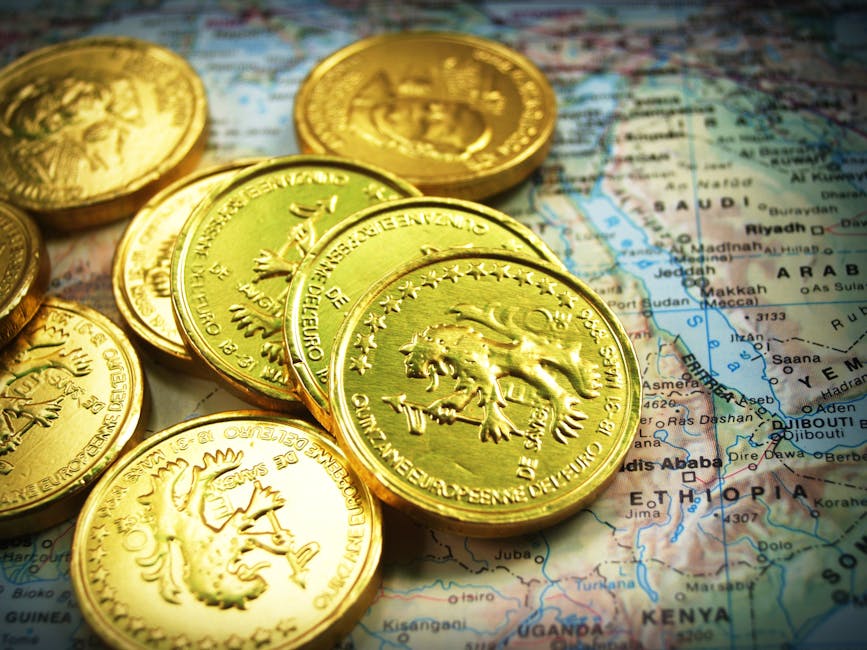
## Size and Geographic Distribution of the Assets The International Monetary Fund estimated Iran’s total foreign‑exchange reserves at roughly $120 billion in 2018, but only a portion is actually frozen. The largest block resides in China, where Iranian oil revenues are held in banks subject to U.S. secondary sanctions. About $10‑15 billion are tied up in Iraq, linked to gas and electricity exports, while roughly $6 billion sit in Qatar after being transferred from South Korea in a 2023 prisoner‑swap deal. Smaller amounts are reported in India, Japan, and Luxembourg. Inside the United States, directly frozen funds amount to around $2 billion, but they are entangled with litigation and compensation claims, making any release politically sensitive. This geographic spread explains why Washington wields considerable influence despite most assets being located elsewhere.
## Legal Mechanisms for Unfreezing Under the MoU The latest MoU includes specific clauses for humanitarian waivers and the gradual easing of sanctions on Iranian oil exports. The first step is filing a formal request with the U.S. Treasury’s Office of Foreign Assets Control (OFAC) under the “Humanitarian Waiver” program, attaching documentation that the funds will be used for approved humanitarian or development purposes. OFAC then reviews the request for compliance risk, issues a license that specifies which bank accounts may be accessed, the beneficiary countries, and reporting requirements. Engaging specialized sanctions‑law attorneys is essential to ensure that all paperwork meets U.S. legal standards and to avoid inadvertent violations that could trigger additional penalties.
## Practical Steps to Release Funds for Humanitarian and Development Use 1. Gather Documentation: Compile audited financial statements, proof of asset origin, and a detailed usage plan. 2. Submit OFAC Waiver Request: Clearly outline the intended projects (e.g., water, health, education) and provide supporting evidence. 3. Negotiate with Banks: Identify international banks that hold the frozen funds and possess the necessary licenses to operate under secondary sanctions; sign monitoring agreements. 4. Implement Transparency Measures: Create an online reporting portal for donors and oversight bodies to track fund disbursement and prevent misuse. 5. Legal Oversight: Maintain a dedicated compliance team to monitor ongoing sanctions developments and adjust strategies accordingly.
## Future Challenges and Ongoing Monitoring Even with the MoU’s provisions, several obstacles may delay full access. A resurgence of geopolitical tensions could lead to stricter U.S. sanctions. Reliance on intermediary banks exposes the process to pressure from other jurisdictions. Moreover, stringent monitoring is required to ensure that released funds are not diverted to prohibited activities. To sustain progress, it is advisable to establish a joint Iran‑U.S. oversight committee comprising economic, legal, and humanitarian experts to regularly assess fund deployment and revise conditions as needed. This collaborative approach can transform frozen assets into tangible development resources that benefit the Iranian population while respecting international sanction regimes.



![[Pending Translation] كأس العالم 2026: الولايات المتحدة تضمن حضورها في الدور الثاني بعد فوزها على أستراليا 2-صفر](https://s.france24.com/media/display/e98fad16-66c8-11f1-96db-005056bfb2b6/w:1024/p:16x9/2026-06-13T013936Z-709115587-UP1EM6D04LZCZ-RTRMADP-3-SOCCER-WORLDCUP-USA-PRY.jpg)