
## Introduction
## What the US‑Iran MoU Entails and Its Regional Implications
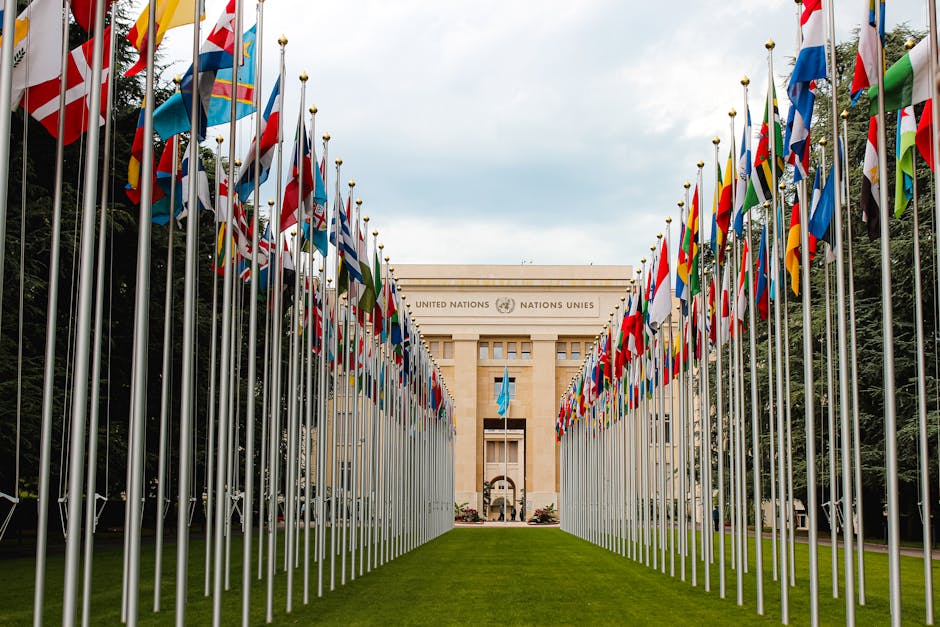
The fourteen‑point MoU signed in Switzerland includes the lifting of the U.S. maritime embargo on Iranian ports, the facilitation of ship traffic through the Strait of Hormuz, and mechanisms for intelligence sharing and de‑escalation across multiple conflict zones. While the document does not obligate Tehran to dismantle its nuclear program, it represents a diplomatic overture indicating both sides’ willingness to avoid a broader armed confrontation. Regionally, the agreement is seen as a potential gateway to wider talks that could involve Syria and Yemen, shifting attention away from the Palestinian‑Israeli front to broader cooperation needs. However, the capacity of the United States and Iran to implement the provisions remains uncertain, especially given Israel’s staunch opposition and its view of Iran as a direct strategic threat.
## Lifting the Strait of Hormuz Blockade: Effects on Global Oil Prices
Following the United States’ announcement that the maritime blockade on Iranian ports has been lifted, navigation in the Strait of Hormuz – a chokepoint through which roughly 20 % of the world’s oil passes – resumed. Approximately 12.5 million barrels of oil were reported to have transited the strait within the first few days, contributing to a decline in Brent crude from wartime peaks toward pre‑conflict levels. A new regulatory body has been established to process ship passage requests, promising no fees for vessels during the sixty‑day period stipulated in the MoU. These steps not only stabilize energy markets but also signal that international actors may be willing to ease economic pressure on Iran, potentially reshaping economic influence balances across the region.
## Israeli Escalation in Southern Lebanon: Behind the Ongoing Strikes
Despite the MoU’s explicit cease‑fire clause, Israel has continued to launch air strikes in southern Lebanon, targeting sites it claims belong to Hezbollah or other armed groups. The attacks have resulted in eight fatalities, including civilians, and have drawn international calls for respect of the agreement. Israeli Prime Minister Benjamin Netanyahu declared that “the conflict is not over,” emphasizing the need to maintain an Israeli military presence in the area as a deterrent against Hezbollah threats. Meanwhile, Hezbollah reported clashes with Israeli forces attempting to advance toward the town of Kfar Tebnit, indicating that the Lebanese front remains a volatile battlefield despite diplomatic efforts to cool tensions.
## International Reactions: United States, France, and Israel
U.S. officials have hailed the agreement as a "success," noting that technical negotiations could begin in Switzerland within the next few days. The Biden administration stresses that all parties must adhere to the MoU’s terms, warning that any breach could trigger economic and political repercussions. French Foreign Minister Emmanuel Macron expressed concern over Israel’s continued strikes in Lebanon, urging "responsibility and rationality" and emphasizing that long‑term security cannot be secured by occupying neighboring territories. Israel, meanwhile, enjoys logistical support from the United States but faces growing international criticism for targeting civilians in Beirut.
## What Lies Ahead for Future US‑Iran Negotiations?
With the MoU signed, analysts expect technical talks to focus on implementation details, particularly the monitoring mechanisms for Strait of Hormuz traffic and the exchange of security intelligence. Estimates suggest upcoming sessions could be held in Geneva or Vienna, potentially involving regional stakeholders such as Germany and Saudi Arabia to provide additional guarantees. The crucial question remains whether these talks will make headway on the most sensitive issues – Iran’s nuclear program, militia activity in Lebanon and Syria, and broader regional security. Success could lower regional tensions and open the door to broader economic cooperation, reshaping power dynamics across the Middle East.



![[Pending Translation] كأس العالم 2026: الولايات المتحدة تضمن حضورها في الدور الثاني بعد فوزها على أستراليا 2-صفر](https://s.france24.com/media/display/e98fad16-66c8-11f1-96db-005056bfb2b6/w:1024/p:16x9/2026-06-13T013936Z-709115587-UP1EM6D04LZCZ-RTRMADP-3-SOCCER-WORLDCUP-USA-PRY.jpg)