## Introduction Gaza remains caught in a deepening humanitarian crisis despite repeated announcements about reopening border crossings and facilitating aid deliveries. Residents echo a familiar refrain: "We hear about the trucks, but we see nothing." United Nations and international NGOs data reveal a stark gap between pledged assistance and what actually reaches families on the ground. The crisis manifests in food shortages, soaring prices of basic goods, and harsh living conditions in overcrowded shelters. This raises a central question: what barriers keep aid trucks from delivering essential supplies to those who need them most?
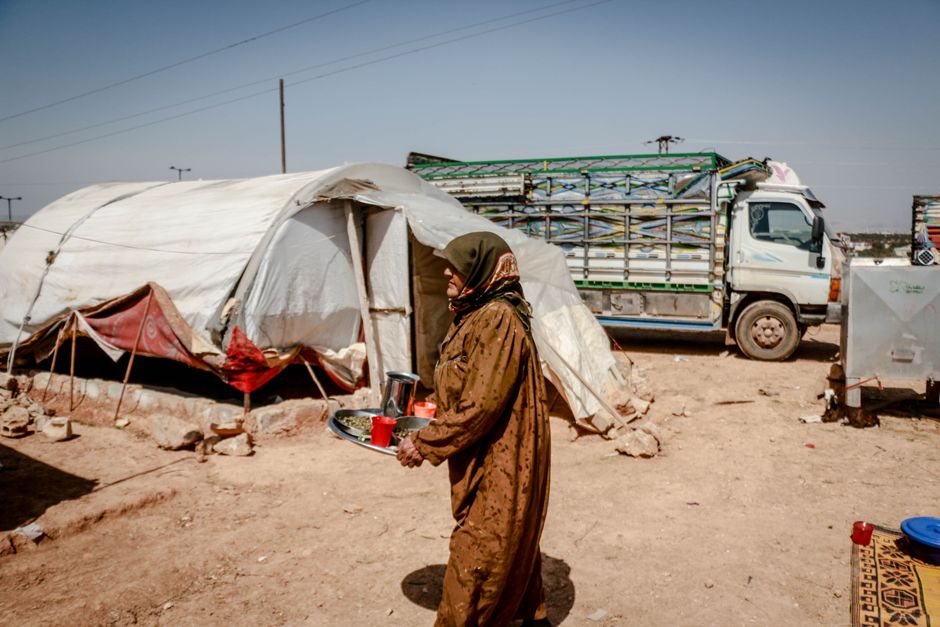
## Humanitarian Situation in Gaza UN officials stress that needs in Gaza "remain enormous," with tens of thousands of families packed into shelters, while many sleep outdoors or in damaged buildings. Rising temperatures have turned tents into unbearable heat chambers, exacerbating suffering. Although the Karem Abu Salem crossing is touted as the sole authorized entry point for humanitarian convoys, the influx does not translate into tangible improvements for residents. UN spokesperson Farhan Haq notes that families receive food vouchers only once every four months—a frequency far short of meeting daily nutritional needs.
## Aid Distribution Statistics and Challenges By the end of May, 23 humanitarian agencies were delivering roughly 678,000 meals daily through 80 kitchens, compared with about 1.5 million meals a day across 170 kitchens in mid‑March. This sharp decline highlights the sector’s dwindling capacity to provide food, especially after a large number of kitchens were forced to close. Essential items such as flour and cooking gas remain in short supply, turning the simple act of preparing a meal into a daily struggle for many households. Estimates suggest that this scarcity intensifies pressure on families that rely on aid to secure at least one meal per day.
## Economic Impact of Aid Restrictions Residents report that prices for basic produce have skyrocketed. For instance, a kilogram of tomatoes now costs around 20 shekels, placing even staple vegetables out of reach for most families. While markets occasionally carry fruits and vegetables, the supply is inconsistent and prices are unaffordable. New Israeli legislation allowing the government to ban dozens of international relief organizations further hampers aid delivery, widening the gap between humanitarian needs and actual assistance.
## International Reactions and Pressure on Israel Around 20 countries—including the United Kingdom, Australia, and Japan—signed a joint statement urging Israel to repeal the new law that enables bans on international aid groups. The UN has warned that the humanitarian situation in Gaza is "catastrophic." Despite diplomatic pressure, a disconnect persists between global calls for fully opened crossings and the on‑the‑ground reality described by residents as hearing about aid trucks that never arrive.



![[Pending Translation] كأس العالم 2026: الولايات المتحدة تضمن حضورها في الدور الثاني بعد فوزها على أستراليا 2-صفر](https://s.france24.com/media/display/e98fad16-66c8-11f1-96db-005056bfb2b6/w:1024/p:16x9/2026-06-13T013936Z-709115587-UP1EM6D04LZCZ-RTRMADP-3-SOCCER-WORLDCUP-USA-PRY.jpg)