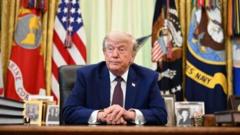
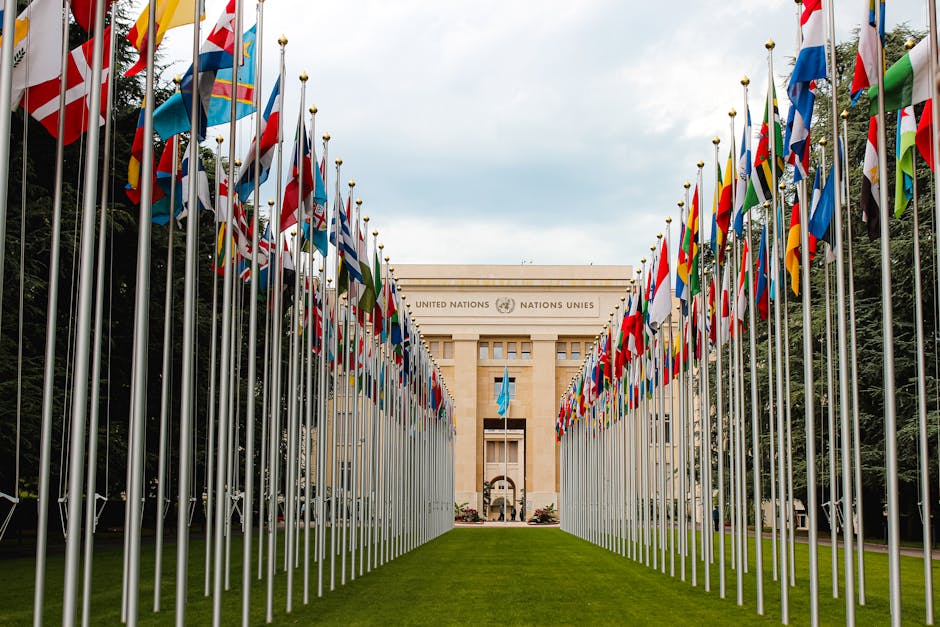
## Introduction Amid escalating regional tensions, officials from Pakistan, the United States, and Iran announced a Memorandum of Understanding (MoU) signed in Geneva that aims to halt hostilities and reopen the Strait of Hormuz. While the agreement has received broad international applause, the core question remains: can this MoU evolve into a comprehensive deal that addresses the nuclear dossier and lifts sanctions? This step‑by‑step guide offers concrete actions for analysts and decision‑makers to evaluate the likelihood of such a deal, focusing on practical tools and reliable sources.
## Analyzing the Current MoU Provisions According to diplomatic sources reported by Axus and Reuters, the MoU includes a 60‑day cease‑fire covering Lebanon, coupled with negotiations on Iran’s nuclear program. It also calls for the reopening of the Strait of Hormuz without fees, contingent on the United States lifting its maritime embargo on Iranian ports. Additionally, the United States is expected to refrain from imposing new sanctions until a final agreement is reached. It is essential to scrutinize the publicly available texts to determine whether any clause explicitly obligates Israel to respect the cease‑fire in Lebanon, as the absence of such language could limit the agreement’s effectiveness.
## Steps to Assess the Likelihood of a Comprehensive Deal 1. Gather Open‑Source Materials: Collect reports from Reuters, Axus, and official statements from the United Nations. Archive the documents for reference. 2. Analyze Regional Actors’ Stances: Monitor statements from Saudi Arabia, Qatar, and Israel through official channels and regional media; Gulf support can increase pressure on both sides to comply. 3. Track UN Security Council Sessions: Review the agenda and resolutions to see if there is a consensus backing the lifting of sanctions or imposing additional conditions. 4. Use Economic Indicators: Follow the volume of Iranian oil exports after the embargo is lifted; estimates suggest a rise in exports would signal implementation of the MoU’s economic clauses. 5. Gauge Diplomatic Feedback: Evaluate reactions from major powers (UK, France, Germany) via press releases; strong international backing may create a conducive environment for expanding the deal.
## How to Monitor Negotiation Developments Effectively - Create a Timeline Database: Log every major event (MoU signing, leader statements, UN reports) with date and time stamps. - Deploy Text‑Analysis Tools: Use software to identify recurring keywords such as "cease‑fire" and "nuclear program" across official documents. - Subscribe to Watch‑Lists: Follow daily bulletins from think‑tanks specializing in international security, like the International Institute for Strategic Studies. - Produce Weekly Briefs: Summarize changes in party positions and negotiation progress in concise weekly reports. - Engage Regional Experts: Seek analysis from scholars at Middle‑East research centers to interpret any unexpected shifts.
## International Strategies to Facilitate Deal Implementation - Strengthen Qatari Mediation: History shows Qatar’s pivotal role in regional peace initiatives; backing its diplomatic efforts may help de‑escalate tensions. - Launch a Multilateral Maritime Monitoring Mechanism: The European Union could deploy naval observers to ensure safe navigation through the Strait of Hormuz during the cease‑fire period. - Tie Sanctions Relief to Clear Milestones: The United States should outline a transparent timeline for lifting sanctions, linked to verifiable Iranian commitments, to reduce ambiguity and build trust. - Involve Civil Society: Supporting human‑rights NGOs to monitor compliance can deter violations and lend democratic legitimacy to diplomatic progress.



![[Pending Translation] كأس العالم 2026: الولايات المتحدة تضمن حضورها في الدور الثاني بعد فوزها على أستراليا 2-صفر](https://s.france24.com/media/display/e98fad16-66c8-11f1-96db-005056bfb2b6/w:1024/p:16x9/2026-06-13T013936Z-709115587-UP1EM6D04LZCZ-RTRMADP-3-SOCCER-WORLDCUP-USA-PRY.jpg)