
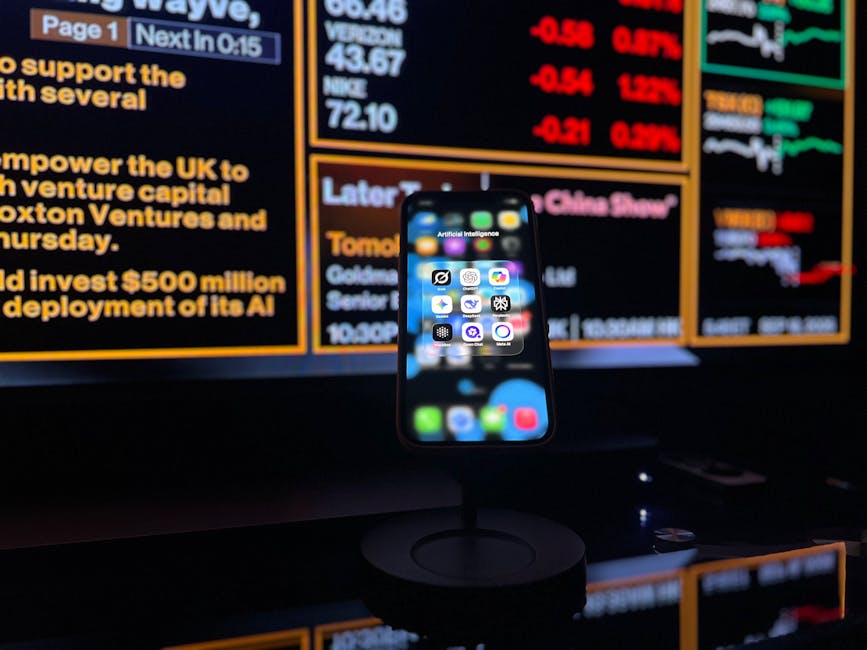
## Introduction The surge in artificial intelligence applications has driven an unprecedented rise in memory‑chip prices. Apple’s outgoing CEO Tim Cook warned that the cost of RAM has become "unsustainable," hinting at possible price hikes for upcoming products. While the exact timing remains unclear, analysts expect the next iPhone generation—potentially the iPhone 18—to be up to $150 more expensive than its predecessor. This guide equips you with practical steps to prepare for these hikes, understand their drivers, and make cost‑effective purchasing decisions.
## Understanding Why Apple Prices Are Rising Apple’s price pressure stems from three core factors. First, AI workloads demand larger and faster memory, causing RAM prices to more than double since October 2025, according to Omdia. Second, geopolitical tensions, notably the war in Iran, have disrupted helium supplies—a critical gas for semiconductor manufacturing—further inflating chip production costs. Third, global fabs such as TSMC and Intel are operating near capacity, leading to limited supply and higher unit costs. Together, these dynamics force Apple to shift part of the expense onto consumers to protect profit margins.
## Assessing the Impact on Your Budget Before you decide whether to upgrade, calculate the potential budget impact. Start by determining your annual spend on electronic devices, then apply a conservative increase estimate (10‑15% based on Omdia’s forecast of a 20% rise in average smartphone prices for 2026). Use budgeting tools or a simple spreadsheet to log current expenses and projected costs, remembering to factor in ancillary items like accessories, warranties, and insurance, which often rise in tandem with device prices.
## Steps to Reduce Dependence on Expensive Devices 1. Re‑evaluate necessity: Ask if you truly need the latest iPhone features or if a recent model meets your needs. 2. Leverage trial programs: Apple’s beta software releases let you test AI‑enhanced features without buying new hardware. 3. Explore alternative apps: Many third‑party apps replicate premium functionalities at lower hardware requirements. 4. Sell your current device: Use reputable resale platforms to offset the cost of a new purchase, recapturing a portion of your investment.
## Alternative Purchasing Options If price hikes strain your finances, consider these alternatives: - Android flagship phones: Offer comparable AI performance at lower price points. - Refurbished Apple devices: Certified refurbished models typically carry a 15‑30% discount and include an official warranty. - Seasonal sales: Black Friday, back‑to‑school, and other major promotions often feature steep discounts on Apple products. - Subscription or lease programs: Some retailers provide monthly payment plans that spread the cost of a new iPhone over time, reducing upfront outlay.
## Monitoring the Market and Capitalizing on Deals Stay ahead by tracking reliable sources: - Omdia and IDC reports: Provide quarterly insights into smartphone pricing trends. - Price‑comparison sites: Platforms like PriceSpy or Google Shopping highlight price differentials across retailers. - Apple’s official newsletters: Subscribe for early notifications of special offers or trade‑in programs. - Tech communities: Engage in Reddit’s r/apple or dedicated Facebook groups where members share real‑time deal alerts. By combining these tactics, you can mitigate the impact of Apple’s price adjustments while still benefiting from cutting‑edge technology.



![[Pending Translation] كأس العالم 2026: الولايات المتحدة تضمن حضورها في الدور الثاني بعد فوزها على أستراليا 2-صفر](https://s.france24.com/media/display/e98fad16-66c8-11f1-96db-005056bfb2b6/w:1024/p:16x9/2026-06-13T013936Z-709115587-UP1EM6D04LZCZ-RTRMADP-3-SOCCER-WORLDCUP-USA-PRY.jpg)