## Introduction Recent research confirms that regular strength training is one of the most impactful habits for healthy aging. A U.S. study involving over 147,000 adults examined the link between weekly strength‑training duration and mortality rates. Participants who dedicated 90‑119 minutes per week to resistance exercises experienced a 13 % lower overall death risk, a 19 % reduction in cardiovascular mortality, and a 27 % decrease in dementia‑related deaths. When combined with aerobic activity, the benefit grew, cutting mortality by up to 45 %. This article explains how adults can integrate moderate, consistent strength sessions into a balanced weekly routine for maximum health gain.
## Why Strength Training Matters for Overall Health Strength training does more than build muscle; it influences a wide range of physiological markers. First, it improves insulin sensitivity, reducing the risk of type 2 diabetes. Second, it enhances bone density, a critical factor for post‑menopausal women facing osteoporosis. Third, it boosts balance and proprioception, lowering fall risk among older adults. Additionally, strength work lowers blood pressure and improves arterial elasticity, supporting cardiovascular health. Over time, these benefits accumulate, forming a solid foundation for a longer, more independent life.
## Impact of 90 Minutes Per Week on Mortality Risk The study found that adults who performed 90‑119 minutes of resistance training weekly had a markedly lower risk of death compared with sedentary peers. Overall mortality dropped by 13 %, which translates to roughly 13 fewer deaths per 100 000 individuals in a comparable population. Cardiovascular mortality decreased by 19 %, linked to better cholesterol profiles and reduced chronic inflammation. Dementia‑related mortality fell by 27 %, reflecting enhanced cerebral blood flow and the stimulation of neurotrophic factors that protect memory function. The modest weekly time commitment proves highly effective.
## Combining Strength and Aerobic Exercise When resistance training is paired with aerobic activities such as brisk walking, jogging, or cycling, health benefits amplify. Participants who engaged in both modalities saw mortality risk cut by up to 45 % versus those who remained inactive. Aerobic work boosts heart‑pump efficiency, while strength training preserves muscle mass and improves cellular oxygen utilization. Together they create a synergistic effect: the heart works less hard during daily tasks, and muscles become more resilient. Practically, experts recommend 2‑3 strength sessions per week combined with 1‑2 aerobic sessions of comparable intensity for optimal results.
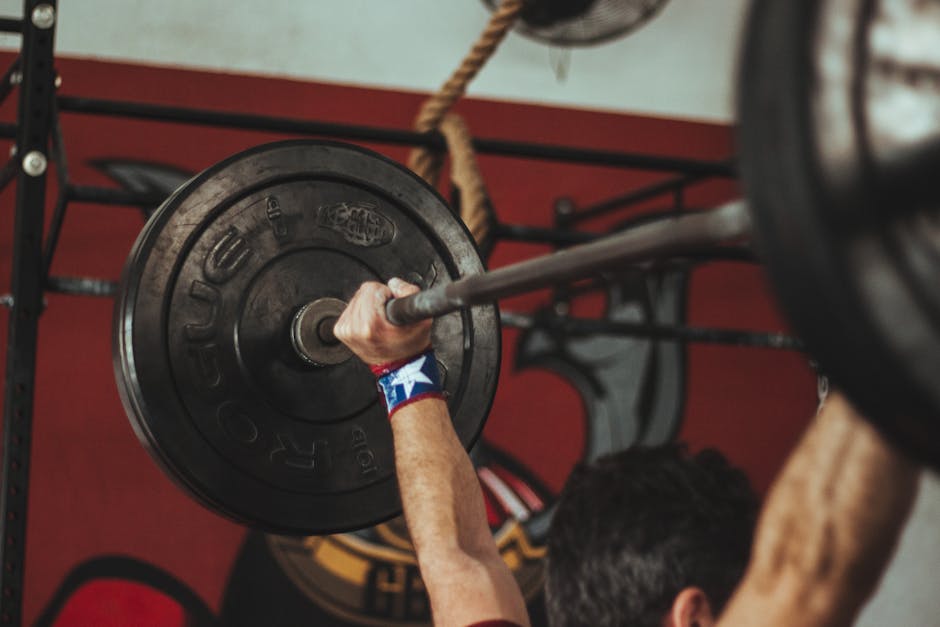
## Building an Effective Strength‑Training Routine Start with compound movements that target major muscle groups: chest press, rows, squats, lunges, shoulder presses, and core work. Beginners can begin with one to two sessions weekly, gradually increasing to 2‑3 sessions without exceeding 120 minutes total. Use loads that allow 8‑12 repetitions per set while maintaining proper form. Rest at least 48 hours between sessions to enable muscle recovery and growth. Adding a short aerobic component (20‑30 minutes of brisk walking or cycling) after each strength session enhances oxygen uptake and reduces lactate buildup. Consistency and progressive overload matter more than occasional high‑intensity spikes.
## Conclusion (هذا القسم يُستَبدَل بملف المحتوى العربي أعلاه)



![[Pending Translation] كأس العالم 2026: الولايات المتحدة تضمن حضورها في الدور الثاني بعد فوزها على أستراليا 2-صفر](https://s.france24.com/media/display/e98fad16-66c8-11f1-96db-005056bfb2b6/w:1024/p:16x9/2026-06-13T013936Z-709115587-UP1EM6D04LZCZ-RTRMADP-3-SOCCER-WORLDCUP-USA-PRY.jpg)