## Introduction In a significant move as part of the Taliban’s ongoing efforts to enforce Sharia law across Afghanistan, the Taliban’s military courts have issued a sweeping ban on smartphone use for all Afghan government officials, with almost no exemptions. The directive, which was reviewed by international media outlets, prohibits all staff from senior leaders to low-ranking employees and service workers from using mobile phones, with threats of phone destruction and sharia punishment for violators. Exemptions from the ban can only be granted via a formal written decree from the Taliban’s supreme leader, Hibatullah Akhundzada. The Taliban smartphone ban comes as the group continues its efforts to isolate Afghanistan from the global internet, raising concerns that the restriction could eventually be extended to the general population in future phases.
## Details of the Taliban Smartphone Ban and Enforcement Bodies The Taliban smartphone ban on Afghan government officials was formalized in an official directive issued by the Taliban’s military courts, a copy of which was circulated on local media platforms. The ban applies to all categories of Taliban government staff, from senior officials and military leaders to low-ranking administrative employees and service workers, with no blanket exemptions stated. The directive explicitly states that "if any person uses a mobile phone, their device will be smashed immediately, and legal and sharia punishment will be imposed on the violator". Exemptions from the rule can only be granted via a prior written decree from the Taliban’s supreme leader Hibatullah Akhund. Videos circulated on social media show Taliban leaders reading the text of the ban from their own phones, while other officials smash and destroy mobile devices in front of onlookers, highlighting the on-ground enforcement of the Taliban smartphone law. Reports from inside Afghanistan indicate that enforcement of the ban began in an ad-hoc manner in select provinces before the official directive was distributed to all government entities.
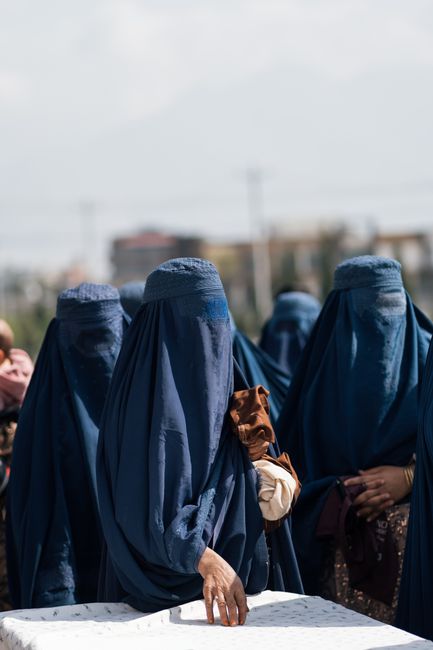
## Underlying Reasons Behind the Taliban’s Decision to Ban Smartphones for Government Staff Analysts specializing in Afghan affairs have identified multiple reasons driving the Taliban’s decision to implement the smartphone ban. First, the group’s fear of internal information leaks: some factions within the Taliban have used mobile phones to communicate with external entities or leak sensitive internal documents that could harm the group’s operations. Second, concerns over declining productivity among Afghan government staff due to excessive personal phone use during working hours. Third, recent events in the western Afghan city of Herat, where widespread protests broke out after the Taliban arrested women and girls for wearing "improper hijab" according to the group’s standards. Videos of the protests circulated widely on social media, raising alarms within the Taliban leadership over the potential spread of dissent. Analysts note that the Taliban had been considering a smartphone ban long before the Herat protests, with ad-hoc bans already in place in Herat province for months prior to the nationwide directive. The group frames the restriction as part of its broader Sharia enforcement efforts, aimed at preventing "immoral behavior" such as access to pornography, the same justification used for the earlier internet blackout.
## On-Ground Implementation of the Phone Ban and Early Impacts Enforcement of the Afghanistan phone ban is currently highly disorganized, with local Taliban authorities making independent implementation decisions without central coordination from the group’s leadership. In some regions, the ban only applies to Afghan government staff, while in other provinces and cities, it has been extended to civilians, women, teachers, students, and healthcare workers, with no prior official announcement. The ban is part of the Taliban’s ongoing efforts to completely cut Afghanistan off from the global internet, following a two-day internet blackout ordered in September that was vaguely justified by concerns over "immoral content". That blackout froze all commercial activity across the country, severely impacted emergency medical services and aviation operations, and even disrupted the Taliban’s own security and leadership operations due to lack of internet access, forcing the group to reverse the decision within days. Analysts suggest the current smartphone ban may be a test run for a future blanket ban on all mobile phone use across the country, as the Taliban gauges local and international reactions before making a final decision.
## Local and International Reactions to the Taliban’s Smartphone Ban The Taliban’s latest orders on the smartphone ban have drawn mixed reactions from local and international stakeholders. On the local level, many Afghan government employees have expressed frustration with the decision, as mobile phones are the primary tool for communication with family members and access to information in a country with limited landline communication infrastructure. Human rights activists have raised concerns that the ban will further isolate the Afghan population from the outside world, and hinder access to essential services such as banking and healthcare, which rely heavily on mobile phone networks in Afghanistan. On the international level, while no major official statements have been released yet, human rights organizations have framed the ban as part of a broader pattern of restrictions on fundamental freedoms in Afghanistan, particularly the severe restrictions already imposed on women’s rights to movement, education, and work. These groups argue that the smartphone ban is designed to restrict Afghans’ access to independent information and prevent the organization of future protests against Taliban rule.



![[Pending Translation] كأس العالم 2026: الولايات المتحدة تضمن حضورها في الدور الثاني بعد فوزها على أستراليا 2-صفر](https://s.france24.com/media/display/e98fad16-66c8-11f1-96db-005056bfb2b6/w:1024/p:16x9/2026-06-13T013936Z-709115587-UP1EM6D04LZCZ-RTRMADP-3-SOCCER-WORLDCUP-USA-PRY.jpg)