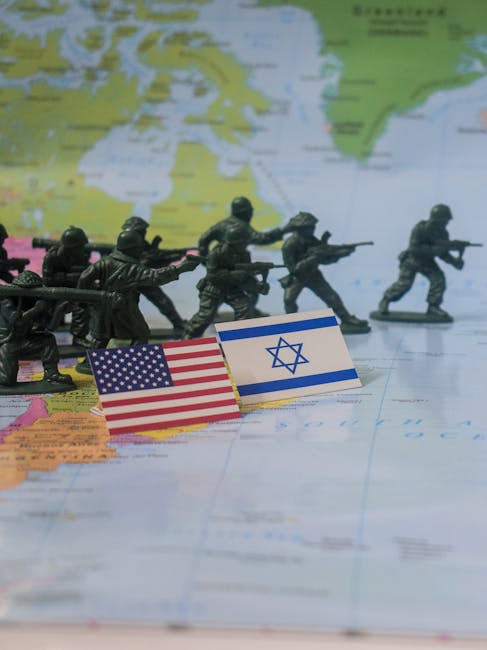
## Introduction The deaths of four Israeli soldiers in clashes with Hezbollah in southern Lebanon have intensified Israeli rhetoric toward Lebanon, culminating in National Security Minister Itamar Ben-Gvir’s inflammatory call to 'burn Lebanon entirely.' But are these statements merely emotional reactions, or do they reflect deeper political and security strategies? This article explores the facts behind the soldiers’ deaths, the role of Hezbollah in recent clashes, and the political contexts that led to such provocative remarks. It also examines the potential consequences of these statements on regional stability.
## The Background: What Led to the Deaths of the Israeli Soldiers? According to official Israeli sources, the clashes occurred in the southern border regions between Israel and Lebanon, where military patrols were targeted by anti-tank missiles. The Israeli army attributed these attacks to Hezbollah, which it claims has been supporting armed factions in southern Lebanon. In contrast, Hezbollah has denied any responsibility for the clashes, stating that Israeli military operations in Lebanese territory are what provoke these responses.
## Ben-Gvir’s Statements: More Than Just Emotional Reactions? Within hours of the clashes, Israeli National Security Minister Itamar Ben-Gvir issued a sharp statement, calling to 'burn Lebanon entirely' in response to ongoing attacks by Hezbollah. These remarks sparked significant controversy, with some viewing them as incitement to war, while others saw them as a calculated attempt to threaten Hezbollah and deter future attacks. But what are the real motives behind these statements?
Political analyses suggest that Ben-Gvir is aiming to strengthen his hardline image amid growing criticism from other Israeli political factions. Additionally, these statements come at a time when international pressure on Israel regarding the situation in southern Lebanon is increasing, as the Israeli government seeks to deter Hezbollah from launching future attacks.
## Potential Risks of These Statements to the Region Ben-Gvir’s statements are not merely empty words; they could lead to a dangerous escalation in the region. Following these remarks, international bodies, including the United States and the European Union, have warned of the risks of military escalation, stating that such rhetoric only exacerbates tensions and worsens the security situation. Lebanon, already grappling with severe economic and political crises, could face even greater challenges if the conflict escalates.
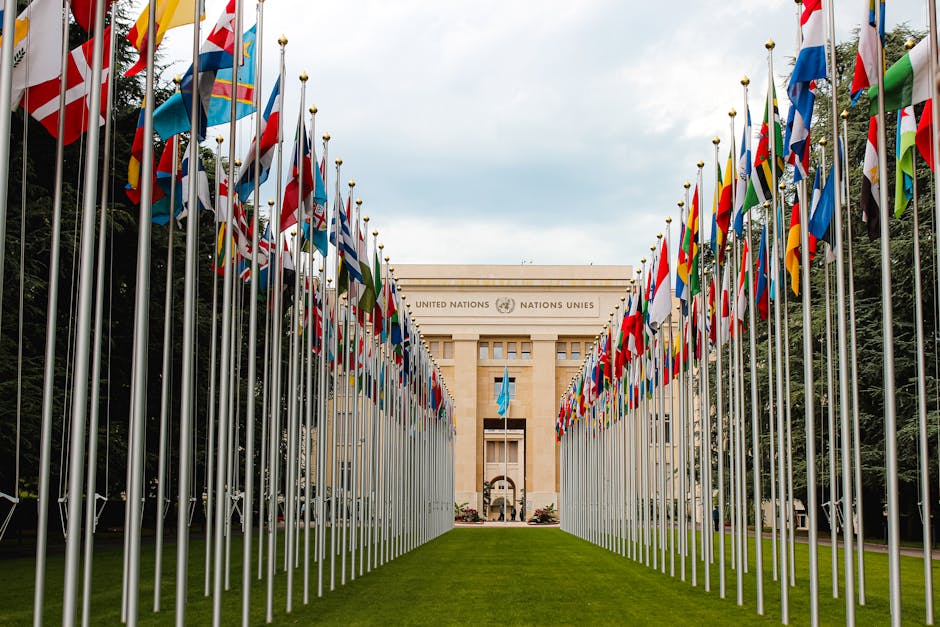
## International Reactions: What Is the World’s Stance on This Escalation? Since Ben-Gvir’s remarks, several countries, including France and Germany, have condemned these statements, emphasizing the need to avoid military escalation. The United Nations Security Council has also called for an emergency session to discuss the situation in southern Lebanon, stressing that regional stability requires de-escalation and avoidance of provocative actions.



![[Pending Translation] كأس العالم 2026: الولايات المتحدة تضمن حضورها في الدور الثاني بعد فوزها على أستراليا 2-صفر](https://s.france24.com/media/display/e98fad16-66c8-11f1-96db-005056bfb2b6/w:1024/p:16x9/2026-06-13T013936Z-709115587-UP1EM6D04LZCZ-RTRMADP-3-SOCCER-WORLDCUP-USA-PRY.jpg)