
## Introduction
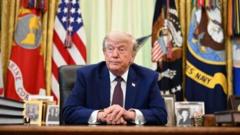
During a lengthy press conference at the G7 summit in France, President Donald Trump portrayed the US‑Iran memorandum of understanding as a historic win that reopens the Strait of Hormuz and moves the world closer to a final peace settlement. Yet the publicly read text leaves several core issues unresolved that could stall any comprehensive agreement. With today’s hot search trends ranging from thunderstorm storms to World Cup arrangements, understanding the memo’s details and its geopolitical impact is more relevant than ever.
## What the Memorandum Contains
The memo reopens the Strait of Hormuz and sets a 60‑day window for intensive negotiations aimed at a lasting nuclear pact. It obliges Iran to "down‑blend" its highly enriched uranium stockpile under the supervision of the International Atomic Energy Agency (IAEA). US officials describe this as a "significant concession" by Tehran, but the document provides no concrete timeline or technical method for the down‑blending process. Moreover, the agreement does not explicitly ban Iran from pursuing a nuclear weapon in the future, which was Trump’s primary public claim.
## The $300 Billion Reconstruction Question
A striking clause calls for the United States to work "with regional partners to develop a definitive mutually agreed plan with at least USD $300 billion" for Iran’s post‑sanctions reconstruction. While the text does not commit the US to any direct payment, the language is deliberately vague, leaving room for future negotiations that could involve multilateral financing. This ambiguity has raised concerns within Trump’s anti‑interventionist base, especially given Vice‑President JD Vance’s campaign promise to avoid new "forever wars."
## Comparing with the 2015 Obama Deal
The 2015 Iran nuclear deal, negotiated over 20 months, imposed strict limits on Tehran’s nuclear program in exchange for sanction relief and an initial $1.7 billion payment. Trump’s current approach seeks to replicate that framework in just 60 days—a timeline that appears overly ambitious. Financially, Trump rejects any direct US payment to Iran, contrasting sharply with the Obama‑era arrangement that included a clear payment schedule. These divergences underscore the political and logistical challenges of achieving a comparable comprehensive deal.
## Regional and Domestic Reactions
Gulf states, particularly Saudi Arabia and the United Arab Emirates, have expressed caution, warning that any easing of pressure on Iran must be accompanied by robust verification mechanisms. Inside the United States, Republican lawmakers are demanding detailed briefings on the memo’s language, especially the $300 billion reconstruction plan, fearing it could conflict with the party’s anti‑war stance. Such internal pressure may limit the administration’s flexibility during the critical 60‑day negotiation window.
## Outlook for the Agreement
As the scheduled signing date approaches, the central question remains whether the United States and Iran can close the technical and financial gaps within the allotted two months. Failure could lead to a stalled or collapsed agreement, reigniting tensions in the Strait of Hormuz and unsettling global energy markets. Conversely, a successful negotiation could pave the way for reduced regional friction and a broader framework for Middle‑East cooperation.



![[Pending Translation] كأس العالم 2026: الولايات المتحدة تضمن حضورها في الدور الثاني بعد فوزها على أستراليا 2-صفر](https://s.france24.com/media/display/e98fad16-66c8-11f1-96db-005056bfb2b6/w:1024/p:16x9/2026-06-13T013936Z-709115587-UP1EM6D04LZCZ-RTRMADP-3-SOCCER-WORLDCUP-USA-PRY.jpg)