
## Introduction Recent hours have witnessed unprecedented military escalation in Lebanon as Israeli airstrikes intensify, resulting in a death toll of 28 individuals, including civilians and military personnel. The strikes have primarily targeted southern Lebanon and the Bekaa Valley, raising concerns about a potential expansion of the conflict. Lebanese authorities, alongside regional actors, are currently assessing the extensive human and material losses amid growing fears of further deterioration.
## Reasons Behind the Escalation of Israeli Airstrikes on Lebanon The latest surge in Israeli military activity in southern Lebanon is directly linked to sustained cross-border rocket attacks attributed to Hezbollah. The absence of a durable political agreement or ceasefire has further fueled tensions, pushing Israel to adopt military measures as a means of enforcing its demands. Regional pressure and the perceived need to curb militant activities are also key drivers behind the intensified airstrikes.
## Casualties and Material Losses According to local sources, the death toll has reached 28, comprising 12 civilians and 16 military personnel, with dozens more injured in Lebanese hospitals. Civilian infrastructure has suffered severe damage, including residential buildings, government facilities, and critical road networks in multiple regions. Preliminary assessments indicate material losses exceeding $50 million, though authorities have not yet completed a full evaluation of the damage.
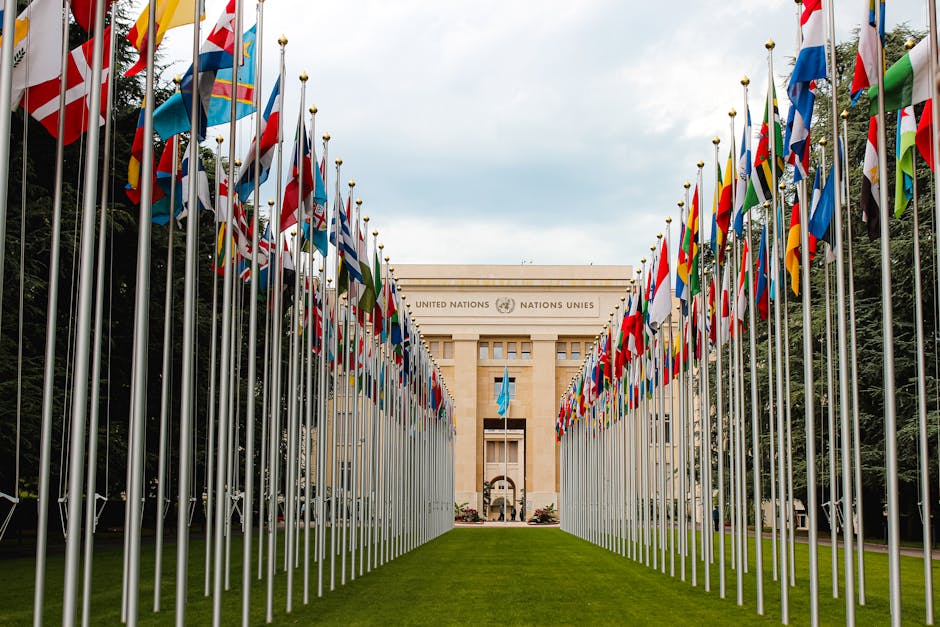
## International Reactions to the Military Escalation The European Union has expressed deep concern over the escalating violence, calling for an immediate ceasefire and urging all parties to avoid further conflict escalation. The United States has also emphasized the need for restraint, stressing the importance of minimizing civilian casualties. The United Nations has reiterated calls for adherence to international humanitarian law and the protection of civilians in conflict zones.
## Possible Future Scenarios for the Situation Attention is now focused on indirect negotiations between Lebanese and Israeli parties, which may lead to a ceasefire agreement if political compromises are reached. Conversely, failure in diplomatic efforts could result in continued military escalation, potentially spreading beyond Lebanon’s borders. Military scenarios remain a distinct possibility given the lack of clear indicators suggesting an imminent halt to Israeli airstrikes.



![[Pending Translation] كأس العالم 2026: الولايات المتحدة تضمن حضورها في الدور الثاني بعد فوزها على أستراليا 2-صفر](https://s.france24.com/media/display/e98fad16-66c8-11f1-96db-005056bfb2b6/w:1024/p:16x9/2026-06-13T013936Z-709115587-UP1EM6D04LZCZ-RTRMADP-3-SOCCER-WORLDCUP-USA-PRY.jpg)