
## Introduction
Amid escalating tensions between the United States and Iran, Switzerland announced the postponement of talks slated for the Burgstenstock resort. The cancellation followed U.S. Vice‑President JD Vance’s aborted trip to Switzerland, raising widespread questions about the reasons behind the delay and its regional implications. Simultaneously, 25 vessels traversed the Strait of Hormuz, highlighting growing concerns over the safety of oil and gas shipments through one of the world’s most critical waterways. This analysis explores the factors prompting the postponement, Switzerland’s mediating role, the impact of Lebanese tensions on the negotiations, and the potential repercussions for maritime security and the global economy.
## Why the US‑Iran Talks Were Deferred
The Swiss Foreign Ministry stated that the planned talks involving the United States, Iran, Qatar, and Pakistan were put on hold indefinitely, without setting a new date. U.S. officials cited incomplete logistical arrangements and technical challenges, particularly regarding the travel of Iranian officials. Additionally, an American source linked the decision to the fragility of the cease‑fire in Lebanon and the intensifying Israel‑Hezbollah clashes. Iranian media, aligned with Hezbollah, argued that the Israeli strikes on southern Lebanon forced Tehran to demand guarantees that any agreement must address the cease‑fire violations. These intertwined technical and political obstacles created an environment unsuitable for resuming dialogue at that moment.
## Switzerland’s Role as a Neutral Mediator
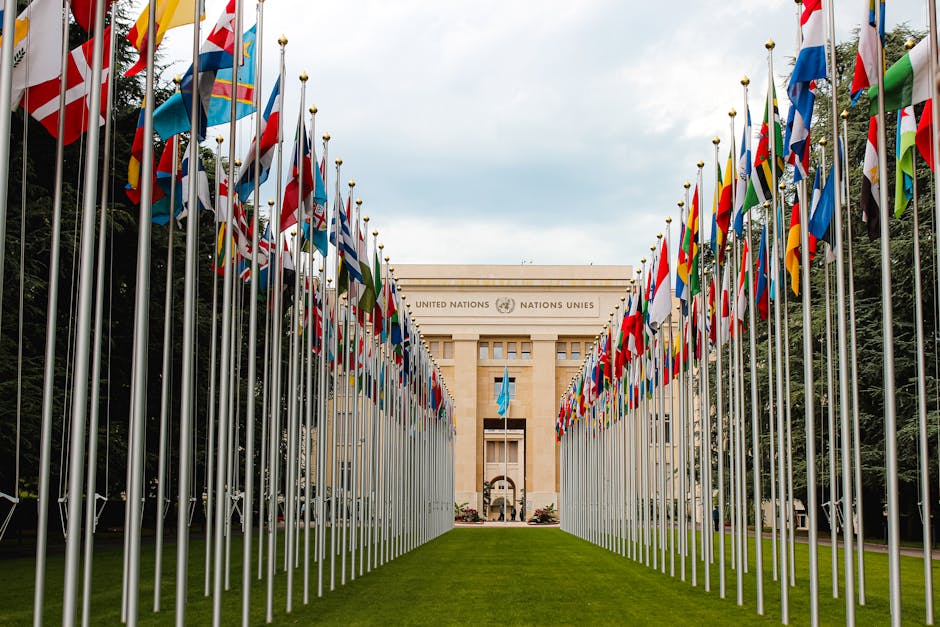
Switzerland has long been regarded as a neutral venue for international diplomacy, hosting numerous peace initiatives thanks to its independent reputation. In this instance, it offered a neutral platform and expressed readiness to facilitate the talks and continue preparatory work. However, Iran’s insistence on concrete assurances to end hostilities in Lebanon placed Switzerland in a delicate position between the parties’ desire for dialogue and the need to satisfy regional demands. The cancellation of Vice‑President Vance’s visit signaled U.S. pressure to demonstrate seriousness, yet the logistical shortcomings underscored the limits of Swiss influence when broader regional issues intervene.
## Impact of Lebanese Tensions on Negotiation Dynamics
Axeus reports that Israeli airstrikes on southern Lebanon resulted in civilian casualties, prompting Tehran to demand explicit guarantees before any further progress. Iran views Lebanon as an integral component of the cease‑fire agreement reached with the United States; thus, any breach is perceived as a violation of that pact. This demand complicates negotiations, as the United States cannot directly control Hezbollah’s actions or Israeli responses. Consequently, any forward movement in the talks requires a wider regional coordination, heightening the difficulty of reaching a definitive agreement amid lingering mistrust.
## Economic Implications of Vessel Traffic Through the Strait of Hormuz
Meanwhile, 25 vessels successfully passed through the Strait of Hormuz, underscoring the continuity of maritime traffic despite heightened security concerns. The strait channels roughly 20 % of global oil supplies, and any disruption could trigger price spikes in international energy markets. Ongoing U.S.–Iran tensions, coupled with potential regional threats, keep shipping companies closely monitoring political developments. Should diplomatic deadlock persist, fears of additional sanctions, inspections, or naval confrontations may arise, potentially delaying shipments and raising transportation costs. Thus, diplomatic developments in Switzerland carry economic weight that extends beyond security issues to influence global energy markets.
## Outlook for Future Dialogues
Although no new timetable has been announced, all parties have indicated willingness to resume talks once regional issues—particularly the Lebanese cease‑fire—are addressed. The process could span weeks to months, depending on diplomats’ ability to provide tangible guarantees and resolve logistical hurdles. Switzerland is expected to maintain its mediating role, while continued monitoring of vessel movements through Hormuz will serve as a barometer of energy market stability. Observers will watch for any official rescheduling announcement, which will signal how regional power dynamics align with global energy interests.
---



![[Pending Translation] كأس العالم 2026: الولايات المتحدة تضمن حضورها في الدور الثاني بعد فوزها على أستراليا 2-صفر](https://s.france24.com/media/display/e98fad16-66c8-11f1-96db-005056bfb2b6/w:1024/p:16x9/2026-06-13T013936Z-709115587-UP1EM6D04LZCZ-RTRMADP-3-SOCCER-WORLDCUP-USA-PRY.jpg)