## Introduction Amid a surge in African migrants from the Sahel, a grim reality unfolds along routes dubbed "the lost paradise." Migrants recount stories ranging from being sold for a liter of gasoline to falling into the clutches of ruthless smuggling networks. Morocco, once merely a transit point, has evolved into a temporary home for many, where they confront violence, detention, and the search for a dignified livelihood. This article highlights the key stages of the journey, from the barren desert to Moroccan city streets, based on firsthand testimonies and field reports.
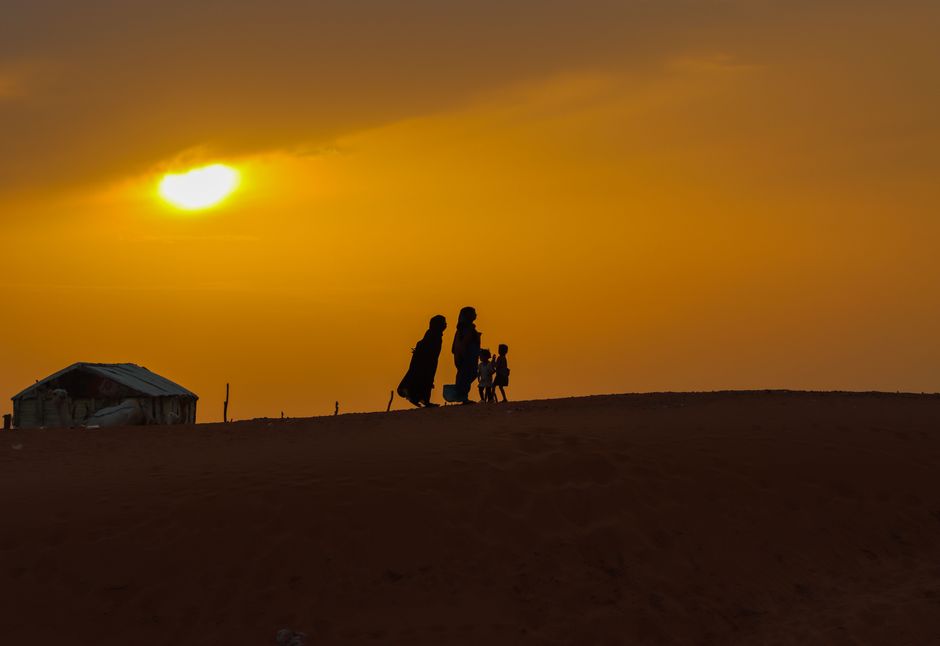
## The Harshness of the Desert Route Migrants set out from West and Central African nations, forced to cross the vast Sahara on foot. They trek hundreds of kilometers under scorching heat, often with scant water and food. Estimates suggest a high proportion suffer from dehydration and heat‑related injuries, sometimes leading to death. In extreme cases, individuals are exchanged for a few liters of fuel, underscoring the desperation driving the trek. Beyond natural hazards, they face attacks by human‑trafficking gangs who steer them onto more perilous paths for higher fees.
## Smuggling Networks and Unaffordable Costs Smuggling networks act as the backbone of irregular migration. They control every stage, from forging documents to organizing desert convoys. Fees can range from tens to thousands of dollars, usually financed by families’ savings or the sale of personal belongings. Often, migrants must surrender a portion of their earnings to smugglers upon arrival in Morocco, leaving them with limited resources and pushing many into informal labor. This economic burden adds a heavy psychological strain, making the future uncertain and the risks perpetual.
## Violence and Detention in Border Camps As the journey progresses, migrants encounter violence from armed groups, informal border officials, and, at times, security forces. Reports detail shootings within detention camps, where some are held in unofficial "detention centers" subject to torture and extortion. Ahmed, a Sudanese youth, describes how prisoners are forced to pay for their own release or face execution in front of onlookers. These experiences reveal that danger extends beyond the desert, permeating every phase of the trek.
## Morocco: Transit or Settlement? Over the past two decades, Morocco has shifted from a simple crossing to a partial settlement destination for many migrants. The country offers informal employment in services and agriculture, attracting those who choose to stay. However, legal status remains fragile; many struggle to obtain residence or work permits, forcing reliance on informal networks once again. Meanwhile, Moroccan civil‑society groups provide humanitarian aid and raise awareness of migrants' rights, creating pockets of hope amid adversity.
## Stories of Hope and Resilience Amidst Scars Despite the hardship, resilient narratives emerge. Cameroonian activist Camga Gotie, who has lived in Agadir for over seven years, now supports newcomer migrants through local assistance networks. Such stories illustrate that the determination to survive can fuel advocacy for social justice and policy change. Sharing these experiences highlights the urgent need for regional solutions that curb exploitation and provide safe, legal migration pathways.



![[Pending Translation] كأس العالم 2026: الولايات المتحدة تضمن حضورها في الدور الثاني بعد فوزها على أستراليا 2-صفر](https://s.france24.com/media/display/e98fad16-66c8-11f1-96db-005056bfb2b6/w:1024/p:16x9/2026-06-13T013936Z-709115587-UP1EM6D04LZCZ-RTRMADP-3-SOCCER-WORLDCUP-USA-PRY.jpg)