## Introduction
## Mohamed Wahbi’s Tactical Blueprint عين على مونديال 2030.. المغرب يبني منتخب الحلم reveals that Wahbi is focused on establishing a clear tactical identity. He prefers a high‑pressing system that starts from the back, coupled with rapid transitions through the flanks. The aim is to force opponents into mistakes and create scoring chances in the attacking third. Wahbi also seeks to raise ball possession to over 55% in competitive matches, reflecting a desire to control the game's tempo. In midfield, players like Ait Nouri and Bouaoud are tasked with delivering precise passes, while the defensive line is organized in a three‑center‑back formation for broader coverage. Veterans such as Acquah and Ounahi provide leadership, ensuring the younger players adapt to the demanding tactical framework.
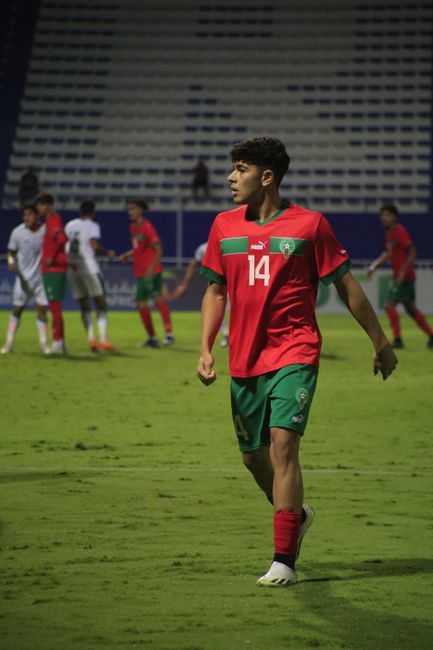
## Blending Youth and Experience عين على مونديال 2030.. المغرب يبني منتخب الحلم highlights the strategic integration of youthful vigor with seasoned expertise. Rising stars such as Bouaoud, Jassim Zilzuli, and Merabiti have earned spots in the starting eleven after impressive performances in recent friendlies. They complement the experience of Hakimi, Mazraoui, and other European‑based veterans. This blend aims to maintain control of the game’s rhythm while preserving high energy levels throughout the full 90 minutes. Additionally, Wahbi pays special attention to strengthening the defensive ranks, especially after Naïf Acquah’s surgery left a gap. Alternatives like Diop (Fulham) and Shadi Riad (Crystal Palace) are being groomed to fill the void and bring stability to the back line.
## International Friendlies and Preparation Matches عين على مونديال 2030.. المغرب يبني منتخب الحلم embarked on a series of friendly matches designed to test the new system against varied opponents. A goalless draw with Ecuador showcased the team's resilience under pressure, while a 2‑1 victory over Paraguay demonstrated the effectiveness of the high‑press strategy. Morocco’s 5‑0 thrashing of Burundi highlighted the potency of its attacking unit and defensive organization. A four‑goal win against Madagascar further cemented the offensive flow, and a tightly contested match against Norway provided valuable insights into tactical flexibility. These results indicate that the Atlas Lions can adapt to different playing styles—an essential trait for navigating a World Cup group featuring Brazil, Scotland, and Haiti.
## Defensive Challenges and Injury Management عين على مونديال 2030.. المغرب يبني منتخب الحلم faces significant defensive challenges. Naïf Acquah, a central pillar, has been sidelined due to surgery, creating a noticeable gap. Meanwhile, Diop remains a bench option at Fulham, and Shadi Riad has only recently returned from a long‑term injury at Crystal Palace. To mitigate these issues, Wahbi is refining coordination within the three‑center‑back system and intensifying training on swift transitions from attack to defense. The coaching staff has also incorporated sports‑medicine specialists to accelerate player recovery while ensuring safety. These measures aim to reduce reliance on individual stars and establish a resilient defensive foundation capable of competing at the highest level in 2030.



![[Pending Translation] كأس العالم 2026: الولايات المتحدة تضمن حضورها في الدور الثاني بعد فوزها على أستراليا 2-صفر](https://s.france24.com/media/display/e98fad16-66c8-11f1-96db-005056bfb2b6/w:1024/p:16x9/2026-06-13T013936Z-709115587-UP1EM6D04LZCZ-RTRMADP-3-SOCCER-WORLDCUP-USA-PRY.jpg)