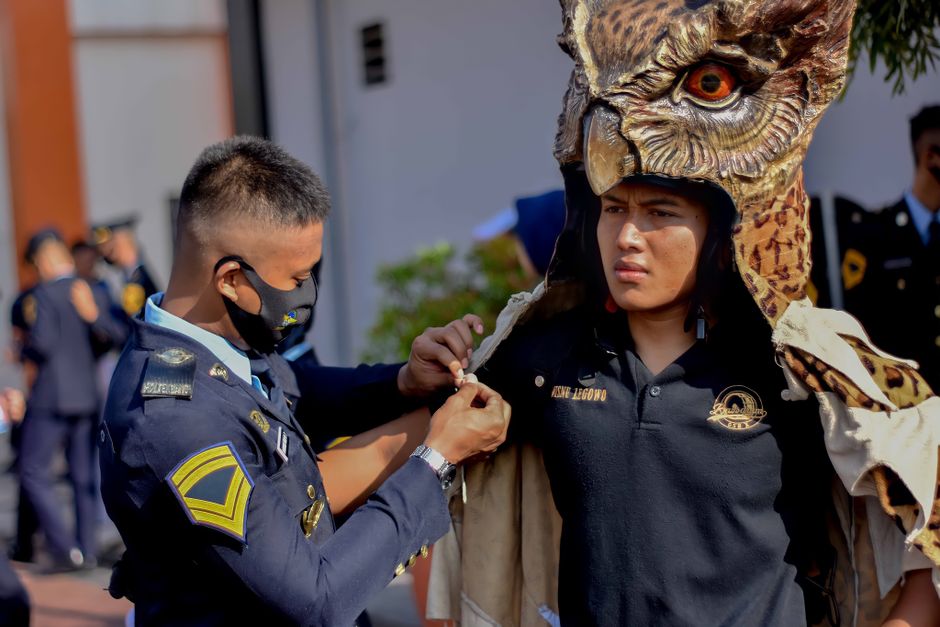
## Introduction Amid the fever of World Cup 2026, Peru’s elite "Green Unit" police squad slipped into the tournament’s mascot costumes to blur the line between enthusiastic fans and covert security ops. During the high‑stakes Mexico vs South Korea match – watched by millions worldwide – officers stormed a house in Lima and arrested a notorious drug dealer. The story intertwines football passion, anti‑trafficking tactics, and Peru’s legacy of using eye‑catching disguises to neutralize suspects. What makes this operation unique, and how are cultural icons being weaponized for security during peak viewership?
## World Cup Mascots as Covert Covers The 2026 mascots, such as "Clutch" and "Maple," are beloved symbols for fans, yet police turned their visual appeal into a camouflage. Officers wore the costumes during a raid in a busy Lima neighborhood, leveraging the live‑match hype to blend into the crowd and avoid raising alarms. ESPN reports that the two officers aimed to merge with the cheering public, illustrating how law enforcement can harness pop‑culture as an intelligence tool. Estimates suggest this approach could reshape concealment tactics in future global events.
## Peru’s History of Creative Uniforms Costume‑based policing isn’t new in Peru. On Valentine’s Day 2025, an officer donned a water‑pig suit with a turtle‑backpack to bust a drug ring. Earlier missions featured Marvel heroes like "Deadpool" and "Wolverine," as well as horror icon "Freddy Krueger". These flamboyant disguises demonstrate the force’s awareness of visual impact in confusing criminals and engaging the public, turning arrests into viral stories that spark curiosity and awe.
## Security Impact During the Tournament The operation, timed with the Mexico vs South Korea game, resulted in the capture of 48‑year‑old Carlos Cabrera, found with white powder packets and a firearm. The raid highlighted how a global sports event’s schedule can accelerate anti‑crime actions while minimizing officer exposure. With expectations of heightened illicit activity during mega‑events, such mascot‑driven missions may become a template for host nations seeking discreet yet effective enforcement.
## Public Reaction and Social Media Buzz The police‑posted TikTok clip amassed millions of views, drawing comments like "Best mascot ever for police" and "Never thought World Cup mascots would be used for arrests!" Some users voiced concerns that major sporting events could serve as cover for criminal enterprises, while others praised the clever integration of fan enthusiasm into law‑enforcement strategy. The social chatter underscores how merging sport and security resonates across platforms, offering a powerful conduit for public awareness about drug‑trafficking threats during high‑profile tournaments.



![[Pending Translation] كأس العالم 2026: الولايات المتحدة تضمن حضورها في الدور الثاني بعد فوزها على أستراليا 2-صفر](https://s.france24.com/media/display/e98fad16-66c8-11f1-96db-005056bfb2b6/w:1024/p:16x9/2026-06-13T013936Z-709115587-UP1EM6D04LZCZ-RTRMADP-3-SOCCER-WORLDCUP-USA-PRY.jpg)