## Background of the Illness and the Family Statement
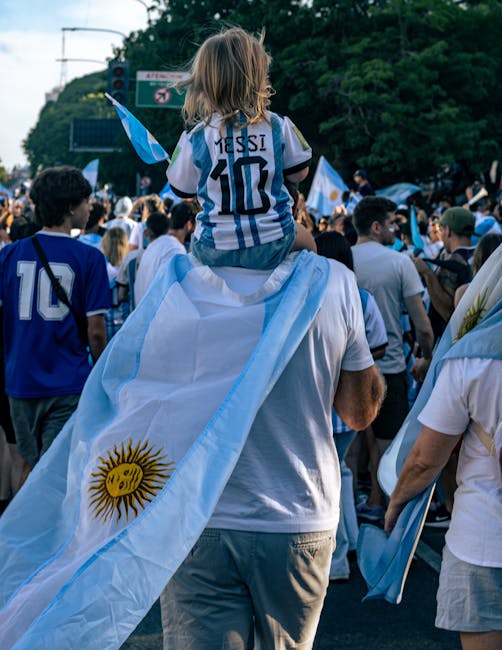
On the morning of June 18, 2026, Lionel Messi’s media office released a statement confirming that his father, Jorge Messi, is facing a health issue but that his condition is "improving noticeably." No specific diagnosis was disclosed, yet the family emphasized the need for privacy, warning that irresponsible speculation could add psychological pressure on the patient and his relatives. This appeal came at a delicate moment, as Messi was playing in Argentina’s opening match of the 2026 World Cup, where he displayed visible emotion after scoring a goal against Algeria. While medical details remain undisclosed, the statement reflects a desire to shield the family from intrusive media coverage, aligning with privacy practices adopted by public figures during critical periods.
## Media Rumors and Conflicting Reports
Social media platforms and various news outlets quickly spread conflicting reports about Jorge Messi’s condition, ranging from rumors of his death to claims of rapid recovery. Some unreliable sites published sensational headlines, sparking a debate over journalistic responsibility when reporting athletes’ health matters. While certain broadcasters attempted balanced coverage based on the official statement, others leveraged the story for viewership by circulating unverified photos and fabricated quotes. This disparity highlights the tension between the demand for swift news and the need to preserve the dignity of those affected. The family’s request for ethical reporting underscored the growing expectation that media outlets adhere to factual standards.
## Impact on Messi and Argentina’s Performance
On the pitch, Messi was seen wiping away tears after scoring in the opening match against Algeria, describing his feelings as "hard days" unrelated to football. Nevertheless, he completed a hat‑trick, tying Miroslav Klose’s record of 16 World Cup goals. Technical analysis suggests Messi’s mental focus remained sharp, though the emotional burden may have influenced his on‑field interactions. Argentina’s coach highlighted the supportive role of teammates and staff in easing the pressure, allowing Messi to concentrate on performance. Overall, Messi’s ability to channel personal adversity into motivation contributed positively to the team’s early success.
## Privacy in Sports: FIFA’s Stance and Public Reaction
FIFA issued a separate statement affirming that safeguarding the privacy of players and their families is a priority during international tournaments. The governing body urged media outlets to respect medical information and refrain from publishing unauthorized details. This position responds to mounting criticism over irresponsible coverage in previous World Cups (2022, 2023). Public opinion is split: some advocate for the family’s right to privacy, while others argue that public figures should be transparent. Nevertheless, the prevailing trend favors stronger legal protections for health data, especially given the rapid spread of misinformation on digital platforms.
## Lessons Learned and Managing Personal Crises
The Messi family’s experience offers several key lessons for athletes and their support networks. First, issuing a concise, official statement that acknowledges the situation without revealing sensitive medical data can curb speculation. Second, coordinating with public‑relations teams ensures the message reaches the audience accurately. Third, clubs should provide psychological support to players navigating personal challenges, helping maintain performance levels. Finally, journalists must adhere to professional ethics, avoiding sensationalism that adds no value to the public discourse. Privacy has become an essential right in modern sport, and the Messi case demonstrates how thoughtful communication can protect personal dignity while preserving competitive focus.



![[Pending Translation] كأس العالم 2026: الولايات المتحدة تضمن حضورها في الدور الثاني بعد فوزها على أستراليا 2-صفر](https://s.france24.com/media/display/e98fad16-66c8-11f1-96db-005056bfb2b6/w:1024/p:16x9/2026-06-13T013936Z-709115587-UP1EM6D04LZCZ-RTRMADP-3-SOCCER-WORLDCUP-USA-PRY.jpg)